 ×
×
Choosing the right valve solution for high pressure service conditions requires careful evaluation of material properties, design specifications, and operational requirements. When evaluating valve options, wcb emerges as a critical consideration for industries handling extreme pressure environments. Understanding how to select wcb valve solutions ensures your operations maintain safety, reliability, and cost efficiency across demanding applications.
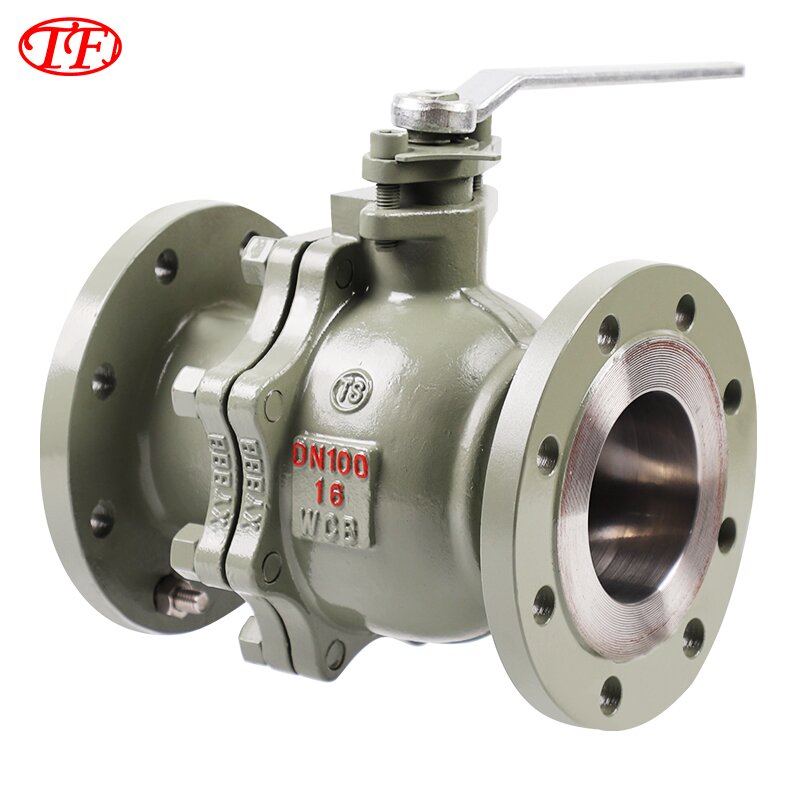
High pressure service demands valve materials that can withstand intense mechanical stresses without compromising structural integrity. The wcb designation represents a proven cast steel composition that delivers the strength, ductility, and thermal stability required in these extreme conditions. This article guides you through the essential factors for selecting wcb solutions, from material fundamentals through practical implementation strategies.
The wcb classification refers to a carbon steel alloy specifically engineered for high pressure applications. This material combines controlled carbon content with strategic alloying elements to achieve superior tensile strength, yield strength, and fracture toughness. The wcb composition ensures that valve bodies maintain structural integrity even when pressures exceed 1000 PSI, a threshold where inferior materials would fail or leak.
Wcb valves excel in applications ranging from oil and gas extraction to chemical processing plants where pressure fluctuations are frequent and unpredictable. The material's inherent ductility prevents brittle failure modes that can occur with more rigid casting alloys. When selecting wcb solutions for your operation, you benefit from a material class that has been validated across decades of industrial deployment in the most demanding environments.
High pressure service often occurs simultaneously with temperature extremes, creating dual stress conditions that challenge valve materials. Wcb maintains excellent dimensional stability across wide temperature ranges, typically from minus 20 degrees Celsius to plus 120 degrees Celsius under normal service. This thermal performance ensures that wcb solutions do not experience stress-induced failures during temperature cycling, a common failure mode in poorly selected materials.
The consistency of wcb mechanical properties across temperature variations means your selection decision remains valid regardless of seasonal changes or process temperature fluctuations. For high pressure applications involving hot oil, superheated steam, or cryogenic fluids, wcb delivers predictable behavior that simplifies engineering calculations and safety margin assessments.
Selecting wcb solutions begins with precise pressure rating analysis. Your application's maximum operating pressure must never exceed the wcb valve's rated pressure capacity, typically established through rigorous pressure testing protocols. Industry standards mandate that wcb solutions maintain safety factors of at least 4 to 1 between the rated pressure and the design pressure, meaning a wcb valve rated at 2000 PSI can safely operate at 500 PSI with substantial safety margin.
When specifying wcb for high pressure service, verify the pressure rating includes effects of temperature derating. Many wcb solutions reduce their rated pressure capacity at elevated temperatures, and this derating curve must be factored into your selection process. Undersizing wcb pressure ratings due to cost considerations introduces unacceptable risk; conversely, oversizing adds unnecessary expense without tangible safety benefit.
Wcb valve solutions come in numerous configuration types including ball valves, gate valves, check valves, and globe valves, each offering different flow characteristics and pressure-handling capabilities. Your selection must match the flow rate requirements of your system with the specific wcb valve model's capacity rating. A wcb solution sized too small will create excessive pressure drop and fluid heating; one sized too large wastes capital and occupies unnecessary space.
High pressure service demands careful consideration of valve actuation methods as well. Manual wcb valves prove suitable for non-critical isolation duties, while automated wcb solutions with electric or pneumatic actuators support integrated process control in systems where high pressure needs real-time management. The wcb material performs identically regardless of actuation method, so your selection should prioritize operational integration requirements.
Proper installation of wcb solutions directly impacts long-term reliability in high pressure service. The valve must be oriented correctly according to manufacturer specifications, with internal flow paths aligned to control pressure stress concentration. Wcb solutions require careful preparation including line flushing to remove welding slag, rust, and debris that could damage internal seals during initial high pressure exposure.
Before placing wcb solutions into service, conduct hydrostatic pressure testing at 1.5 times the rated working pressure. This testing protocol validates that your wcb selection was correct and that installation quality meets design intent. High pressure service demands this discipline because internal leaks detected during operation could create safety hazards and production shutdowns far more costly than preventive testing.
Wcb solutions in high pressure service require systematic monitoring to detect early wear or degradation before failures occur. Establish periodic inspection schedules that examine external valve surfaces for corrosion, internal cavities for deposit buildup, and actuation mechanisms for stiffness or sluggish response. High pressure service conditions accelerate wear on valve seats and seals, making preventive replacement intervals critical to operational safety.
Document pressure cycling history and fluid contamination events, as these factors influence wcb valve service life. Each pressure spike beyond normal operating range introduces fatigue stress that accumulates over time. When you select wcb solutions initially, your purchase should include specifications for rebuild kits and replacement components, ensuring you can maintain high pressure reliability without extended downtime waiting for spare parts.
Wcb solutions excel in oil and gas production facilities, chemical processing plants, power generation systems, and hydraulic control circuits where pressures regularly exceed 600 PSI. Refineries, petrochemical complexes, and offshore drilling operations deploy wcb valves extensively because these environments combine high pressure with temperature extremes and corrosive fluid exposure. Water treatment facilities handling pressurized filtration systems also rely on wcb solutions where reliability cannot be compromised.
Wcb offers superior cost-effectiveness compared to premium materials while delivering performance that exceeds most requirements for general high pressure service. Stainless steel provides better corrosion resistance in specific fluid environments but costs significantly more, making it suitable only when corrosion risk justifies the investment. Aluminum bronze performs well in marine environments but lacks the thermal stability of wcb. Your selection should match material choice to the specific corrosion profile of your application fluid.
Wcb solutions perform optimally in the 600 to 2000 PSI range where material strength is fully utilized without unnecessary overengineering. Below 600 PSI, lower-cost carbon steel materials often suffice for safety requirements. Above 2000 PSI, wcb solutions require heavier wall thicknesses that increase weight and cost, making specialty alloys or forged solutions economically attractive. Your selection within this optimal window balances safety, cost, and operational flexibility.
Foshan Tangzheng Pipe Fittings Co., Ltd. provides premium gate, globe, ball & control valves for petrochemical, power & HVAC industries. 30+ years expertise, 18-month warranty, 24/7 technical support. Request a custom solution today.
No. 36, 38, 40, 42, 44, 46 North Sixth Road, 1st Floor, Guangdong Lecong Steel World Hardware Accessories Decoration City, Lecong Town
Copyright © Foshan Tangzheng Pipe Fittings Co., Ltd. | Privacy policy

 EN
EN

