 ×
×
Procuring safety valves at scale requires more than selecting a product from a catalog. A safety valve is a critical component in industrial systems, designed to prevent catastrophic pressure buildup by automatically relieving excess pressure when system conditions exceed safe operating limits. Before committing to large-scale procurement, engineering teams must establish rigorous evaluation protocols to ensure that selected safety valve units meet application-specific requirements, regulatory standards, and long-term reliability expectations. This article provides a structured approach to assessing safety valve performance, helping procurement professionals make informed decisions that protect both equipment and personnel.
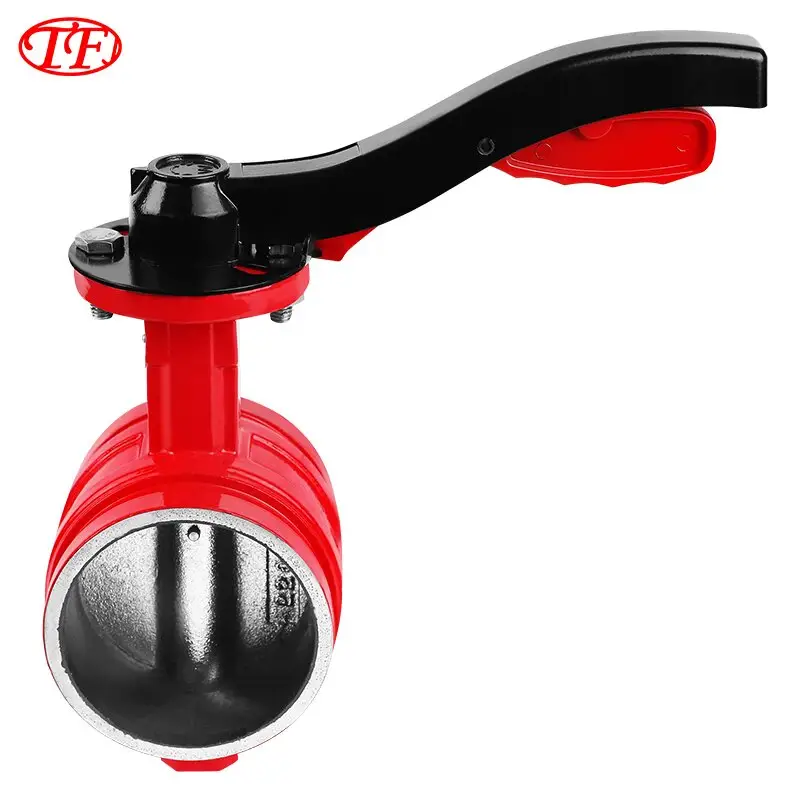
The evaluation of a safety valve begins with understanding the pressure relief specifications mandated by your system design. Each safety valve must be rated for specific pressure thresholds, flow capacities, and environmental conditions. Supplier datasheets provide baseline technical data, but performance evaluation extends beyond published specifications to include field validation, certifications, pressure-flow characteristics, material compatibility, and maintenance accessibility. Organizations that skip detailed evaluation often face operational failures, regulatory compliance issues, or unexpected downtime that far exceed the cost of thorough procurement diligence.
The safety valve's primary function is to open at a predetermined pressure and close when pressure drops to a safe level. This pressure differential, known as the setpoint and cracking pressure, must remain stable across thousands of operating cycles. When evaluating a safety valve, verify that the manufacturer provides setpoint tolerance specifications, typically within plus or minus 2 to 3 percent of the nominal pressure. A safety valve with poor setpoint stability may open prematurely, causing unnecessary system shutdowns, or fail to open when needed, creating dangerous pressure conditions. Request lift testing reports from potential suppliers to confirm that sample units demonstrate consistent opening behavior within acceptable tolerances.
A safety valve must be capable of discharging excess fluid volume at the system's maximum anticipated flow rate. The nameplate of the safety valve should indicate its capacity in gallons per minute or cubic meters per hour. During evaluation, cross-reference the safety valve capacity against your system's maximum potential inflow rate, considering both normal operating surges and worst-case emergency scenarios. Undersized safety valves create dangerous backup pressure; oversized units may not function smoothly and can cause chattering or premature wear. Request capacity certification documents and consider flow testing services for critical applications where safety valve performance directly impacts worker safety.
A safety valve must comply with applicable pressure equipment directives and industry standards. In North America, the American Society of Mechanical Engineers establishes ASME codes that govern pressure relief device design and testing. European manufacturers typically adhere to PED (Pressure Equipment Directive) standards. When evaluating a safety valve for procurement, verify that units carry third-party certification stamps from recognized bodies such as ASME, PED, or equivalent regional authorities. This certification confirms that the safety valve has undergone rigorous factory testing and meets minimum performance and material standards. Purchasing uncertified safety valves or accepting substitute designs may create liability exposure and violate local industrial safety regulations.
The safety valve must be constructed from materials that resist corrosion and thermal stress in your specific fluid and temperature environment. Evaluate the safety valve's body material, internal springs, and seal materials against your system's operating medium—whether oil, water, natural gas, or aggressive chemicals. Stainless steel safety valve bodies resist general corrosion but may require specific hardening for certain applications. Request material mill certificates and chemical composition data from the safety valve supplier to confirm that material grades match your requirements. Environmental factors such as ambient temperature, vibration exposure, and humidity also influence long-term safety valve reliability and maintenance frequency.
Before evaluating a safety valve candidate, request complete technical documentation including dimensional drawings, performance curves, installation instructions, and maintenance procedures. The safety valve datasheet should clearly state nominal setpoint, capacity ranges, pressure ratings, and maintenance intervals. Ask suppliers for pilot test data showing how the safety valve performs under simulated operating conditions. Credible manufacturers maintain this documentation and welcome technical inquiries. A safety valve supplier unwilling to provide detailed specifications or third-party test reports presents a red flag. Collect documentation from multiple safety valve suppliers to enable meaningful comparison and identify consistency in reported performance metrics.
For large-scale procurement, negotiate access to sample units from potential suppliers and conduct bench testing or pilot installation at reduced scale. Install sample safety valve units in a controlled test loop where you can safely apply pressure and measure opening setpoint, closing pressure, and flow characteristics under real operating conditions. This hands-on evaluation of the safety valve provides confidence that supplier claims translate to actual field performance. Document all test results, noting any variability, noise, or unexpected behavior during the safety valve test cycles. Request that suppliers warranty performance to specified tolerances and establish failure mode accountability. A safety valve that functions excellently in bench testing has a higher probability of meeting expectations during full-scale deployment.
Evaluate the total cost of ownership beyond the initial purchase price. A safety valve with lower upfront cost may require more frequent maintenance, calibration, or replacement, increasing lifecycle expenses. Review the safety valve supplier's recommended maintenance intervals, spare parts availability, and recalibration procedures. Consider whether field personnel can service the safety valve in-house or whether specialized vendor support is required. High-quality safety valve designs incorporate modular construction and accessible components that reduce downtime during maintenance. Budget for periodic safety valve recertification if regulatory requirements demand it. Comparing maintenance profiles of candidate safety valve options helps procurement teams make economically sound decisions aligned with operational capacity and budget constraints.
A well-maintained safety valve typically functions for five to ten years before recalibration becomes necessary, though this varies based on operating frequency, fluid type, and pressure fluctuations. High-cycle applications or corrosive environments may shorten the safety valve lifespan significantly. Many regulatory frameworks require periodic hydrostatic testing and recertification of safety valve units regardless of operational age. Follow the equipment manufacturer's recommendations and your industry's compliance standards to establish a replacement schedule. Establishing a safety valve maintenance log helps track performance trends and predict when intervention will be needed.
Request a formal capacity certification from the safety valve manufacturer that cross-references your system's operating pressure and maximum flow rate. Ensure the safety valve's nominal setpoint and capacity rating align with your specification. Request witnessing of factory acceptance testing if the safety valve is custom-configured. Conduct third-party independent testing for critical safety valve applications to eliminate supplier bias. Cross-check the safety valve against applicable industry standards and consult a mechanical engineer if pressure requirements fall outside standard safety valve offerings. This rigorous verification prevents procurement errors that could compromise system safety.
Request ASME U-stamp certification, PED certification (for European applications), or equivalent regional authority approvals depending on your geographic location and industry sector. Verify that safety valve manufacturer holds current accreditation from recognized pressure equipment testing bodies. Obtain copies of third-party inspection reports and material certifications that document compliance with referenced standards. Confirm that the safety valve is manufactured under a quality management system such as ISO 9001. Request references from other industrial users of the same safety valve model. These certifications provide legal protection and assurance that the safety valve meets minimum performance and safety standards required for large-scale deployment.
Foshan Tangzheng Pipe Fittings Co., Ltd. provides premium gate, globe, ball & control valves for petrochemical, power & HVAC industries. 30+ years expertise, 18-month warranty, 24/7 technical support. Request a custom solution today.
No. 36, 38, 40, 42, 44, 46 North Sixth Road, 1st Floor, Guangdong Lecong Steel World Hardware Accessories Decoration City, Lecong Town
Copyright © Foshan Tangzheng Pipe Fittings Co., Ltd. | Privacy policy

 EN
EN

