 ×
×
A balancing valve stands as one of the most underestimated components in modern sustainable building design. While architects and engineers focus on renewable energy systems and insulation upgrades, the role of a balancing valve in optimizing fluid flow throughout heating, cooling, and hydronic systems remains critical to achieving long-term energy performance goals. Without proper balancing valve installation and calibration, even the most advanced building technologies fail to deliver their intended efficiency benefits, resulting in wasted resources and missed sustainability targets.
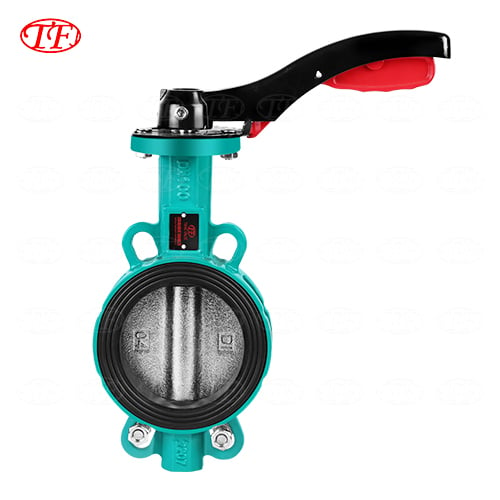
Sustainable building projects demand precision in every mechanical system component. A balancing valve enables operators to maintain optimal flow rates across all terminal units, preventing some zones from starving while others consume excess energy. This fundamental principle of hydronic and pneumatic system design translates directly into measurable reductions in operational carbon footprint and lifecycle building costs. The implementation of a balancing valve represents not just technical necessity but a strategic investment in building performance accountability.
A balancing valve works by restricting fluid flow to precise, predetermined rates across each branch of a hydronic distribution system. When a balancing valve operates correctly, it eliminates the natural tendency for water to follow the path of least resistance, which typically means the closest radiators or terminal units receive excessive flow while distant zones remain underheated or undercooled. This imbalance forces the main pump to work harder, consuming additional electrical energy and increasing system run time. A properly tuned balancing valve redistributes flow equitably, reducing pump motor runtime and lowering energy consumption across the entire building. The energy savings achieved through proper balancing valve performance often exceed 10 to 15 percent of total HVAC operating costs, a substantial reduction that compounds over decades of building operation.
Every balancing valve introduces a measured pressure drop across the system loop, and this controlled restriction is intentional and necessary. Without a balancing valve maintaining consistent pressure differentials, weaker terminal units struggle to maintain supply temperature while stronger units bypass heated or cooled water, creating thermal comfort complaints and forcing operators to override system setpoints. A balancing valve ensures every radiator, convector, and cooling terminal operates at its design capacity. This pressure management capability protects equipment from cavitation damage and extends the service life of pumps, zone control valves, and sensing instruments. Professional commissioning teams rely on a balancing valve's performance data to validate that the entire system functions according to design specifications.
Modern sustainable building certifications including LEED, Passive House, and regional energy codes increasingly require documented evidence of system commissioning and balanced flow distribution. A balancing valve becomes the physical proof that the building meets these performance requirements. Inspectors and third-party commissioning agents verify balancing valve settings during final project handover, confirming that each system zone receives the intended flow rate and temperature. Buildings without a balancing valve cannot pass modern commissioning protocols, making compliance impossible. The inclusion of a balancing valve in design specifications demonstrates a project team's commitment to performance integrity and differentiates sustainably designed buildings from those with outdated mechanical approaches.
When a building incorporates solar thermal collectors, ground-source heat pumps, or other renewable energy sources, a balancing valve becomes essential for maximizing renewable contribution. Solar thermal systems operate most efficiently when system flow remains constant and balanced across all collector circuits. A balancing valve protects renewable generators from the thermal stress caused by unbalanced return temperatures, extending renewable system longevity and ensuring consistent performance year after year. Buildings integrating renewable systems without proper balancing valve installation experience reduced renewable energy yields, higher auxiliary boiler and chiller runtime, and diminished sustainability benefits. The capital investment in renewable generators cannot be fully realized without the enabling infrastructure of a properly specified balancing valve.
A balancing valve contributes directly to occupant thermal comfort by ensuring consistent supply temperatures and responsive zone control. When a balancing valve maintains stable conditions, thermostats receive reliable signals and zone controllers respond predictably to occupant demands. Buildings with improperly balanced systems experience temperature stratification, dead zones, and delayed response to heating or cooling requests, leading to occupant dissatisfaction and manual thermostat overrides. A correctly functioning balancing valve eliminates these comfort complaints while allowing automated control systems to operate as designed. This combination of technical precision and user experience creates sustainable occupancy patterns where occupants trust the building systems rather than circumventing them.
Building operations change continuously as tenants relocate, space uses evolve, and occupancy patterns shift. A balancing valve provides mechanical flexibility that allows building operators to rebalance the system without requiring major piping modifications or replacement equipment. Manual balancing valve designs with integral flow measurement ports enable technicians to verify flow rates and adjust settings to accommodate changing building configurations. This operational adaptability extends building lifespan and sustains energy performance even as functional requirements evolve. Buildings designed with balancing valve flexibility avoid the expensive, disruptive retrofits that plague inflexible piping systems, protecting the owner's investment and maintaining sustainability throughout the building's operational life.
Yes, a balancing valve can be added to existing buildings through strategic insertion at key system points, though retrofitting typically requires draining portions of the hydronic system and may interrupt operations temporarily. The cost of retrofitting a balancing valve is significantly lower than redesigning piping or replacing terminal units, making it an economical sustainability upgrade. Building owners should engage qualified commissioning professionals to identify optimal balancing valve placement and verify system response after installation to ensure retrofit success.
A balancing valve actively regulates flow distribution across multiple branches of a system, while a pressure relief valve provides passive overpressure protection for a single circuit. A balancing valve requires deliberate setting and commissioning, whereas a pressure relief valve operates automatically only when system pressure exceeds a preset threshold. Both valve types serve critical functions in sustainable building systems, but a balancing valve directly influences energy efficiency while a pressure relief valve ensures safety compliance.
Professional commissioning involves measuring flow rates at each terminal unit using calibrated instruments, comparing measured flows to design specifications, and adjusting a balancing valve settings until all zones achieve target values. Technicians document all balancing valve measurements and settings in a commissioning report that becomes part of permanent building records. This documentation allows future operators to understand system baseline performance and provides a reference for evaluating whether a balancing valve requires readjustment due to component changes or operational modifications.
Foshan Tangzheng Pipe Fittings Co., Ltd. provides premium gate, globe, ball & control valves for petrochemical, power & HVAC industries. 30+ years expertise, 18-month warranty, 24/7 technical support. Request a custom solution today.
No. 36, 38, 40, 42, 44, 46 North Sixth Road, 1st Floor, Guangdong Lecong Steel World Hardware Accessories Decoration City, Lecong Town
Copyright © Foshan Tangzheng Pipe Fittings Co., Ltd. | Privacy policy

 EN
EN

