 ×
×
Selecting the right valve for a fluid control system is one of the most consequential decisions an engineer can make. Among the many valve types available, globe valves stand out for their precise throttling capability, strong shut-off performance, and adaptability across demanding process environments. Whether the application involves high-pressure steam, potable water distribution, or complex chemical process lines, globe valves offer a level of flow regulation that few other valve designs can match. Understanding how to evaluate and select globe valves correctly ensures system reliability, long service life, and operational efficiency.
The selection process for globe valves is not one-size-fits-all. Engineers must weigh a range of technical and operational factors, from pressure and temperature ratings to body material compatibility and end-connection requirements. This guide walks through the core selection criteria for globe valves used in steam, water, and general process control systems, giving you a structured framework to make confident, specification-ready decisions.
Globe valves regulate flow through a disc or plug that moves perpendicular to the seat inside the valve body. This internal geometry gives globe valves a distinctive flow path that changes direction as the fluid passes through, creating a slight pressure drop but enabling highly accurate flow modulation. Unlike gate valves, which are intended for full-open or full-closed service, globe valves are purpose-built for throttling. This makes globe valves the preferred choice in systems where flow rate must be actively managed rather than simply switched on or off.
The internal design of globe valves comes in three primary body configurations: T-pattern, Y-pattern, and angle-pattern. T-pattern globe valves are the most common and offer balanced throttling in standard installations. Y-pattern globe valves reduce pressure drop and are well-suited for high-pressure steam or slurry applications. Angle-pattern globe valves redirect flow at 90 degrees, making them useful in piping layouts where space is limited or where a right-angle connection is already required. Selecting the right body pattern for globe valves is a foundational decision that affects both hydraulic performance and installation flexibility.
The seat and disc materials in globe valves determine their compatibility with the process fluid and their resistance to erosion, corrosion, and thermal cycling. For steam applications, globe valves typically use stainless steel or Stellite-coated seats to resist the erosive effects of high-velocity steam at elevated temperatures. For water service, bronze-seated or PTFE-seated globe valves provide reliable sealing under lower pressure conditions. In chemical process environments, globe valves with alloy or fully stainless steel internals are selected based on the specific chemical composition and temperature range of the process fluid. Always verify material compatibility with the fluid before finalizing globe valves for any critical application.
Globe valves are rated by pressure class and temperature range, typically expressed using ANSI class designations such as Class 150, 300, 600, or higher. For steam systems, it is essential that globe valves carry pressure and temperature ratings that exceed the maximum operating conditions of the system, including allowance for pressure surges or thermal spikes. Undersizing globe valves in steam service can lead to seat damage, leakage, or catastrophic failure. In water systems, globe valves with lower pressure ratings are generally sufficient, but the risk of water hammer must be considered, especially in large-diameter or high-velocity water lines.
Thermal expansion also affects how globe valves perform over time. In high-temperature steam lines, the repeated heating and cooling cycles cause valve bodies and stem packing to expand and contract. Globe valves selected for this duty must include packing materials and stem designs capable of maintaining seal integrity across a wide temperature range. Live-loaded packing systems or bellows-sealed globe valves are often used in critical steam applications to extend service intervals and minimize leakage risk.
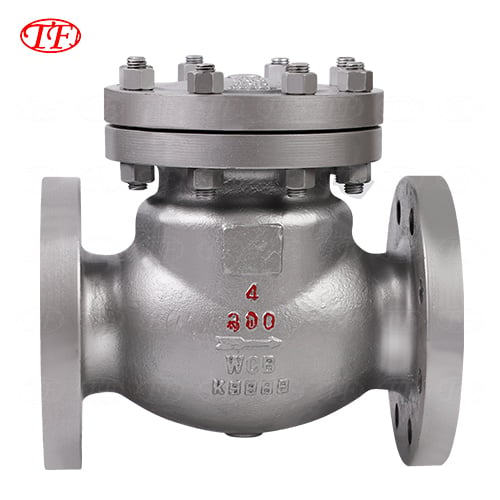
The body material of globe valves must be compatible with both the process fluid and the ambient environment. Cast iron globe valves are cost-effective for low-pressure water and non-corrosive fluid applications. Carbon steel globe valves are widely used in steam and general process piping where moderate corrosion resistance is sufficient. Stainless steel globe valves provide superior resistance to corrosion and are specified for aggressive chemical media, offshore environments, or hygienic process systems. Exotic alloy globe valves, such as those in Duplex or Hastelloy, are reserved for highly corrosive or high-purity applications where standard materials would degrade rapidly.
End connection type is another practical selection factor for globe valves. Flanged connections are standard in industrial process systems and allow easy removal for maintenance. Threaded globe valves are common in smaller-diameter water or utility lines. Butt-weld globe valves are preferred in high-pressure steam systems or in applications where zero leakage at the connection point is required. Matching the end connection of globe valves to the existing piping system avoids costly adapters and ensures structural integrity at the joint.
Proper sizing is critical when specifying globe valves for process control. The flow coefficient, commonly expressed as Cv, defines how much flow globe valves can pass at a given pressure drop. Oversized globe valves operate near the closed position and cause instability, accelerated seat wear, and poor control response. Undersized globe valves restrict flow and create excessive pressure drop. Engineers must calculate the required Cv based on the maximum flow rate, specific gravity of the fluid, and allowable pressure differential across the globe valves in their system.
For automated process control loops, globe valves are frequently paired with pneumatic or electric actuators. Actuator selection must be matched to the torque or thrust requirements of the globe valves at the maximum differential pressure condition. Fail-safe positioning, such as fail-open or fail-closed, must also be defined based on process safety requirements. Globe valves used in control loops should be specified with positioners to enable accurate, repeatable flow control across the full operating range.
Globe valves offer a practical advantage in maintenance: their top-entry design allows access to the disc, stem, and seat without removing the valve body from the pipeline. This feature significantly reduces downtime in systems where globe valves are installed in hard-to-reach locations or where process interruption must be minimized. When selecting globe valves for critical services, consider ease of repacking, availability of spare parts, and compatibility with in-line repair procedures. Specifying globe valves with standardized trim dimensions simplifies future maintenance and ensures that replacement components remain readily available throughout the valve's service life.
Globe valves are designed with a flow path that allows the disc to be positioned at intermediate travel points, enabling accurate throttling. Gate valves are intended for full open or full closed positions only, and partially open gate valves experience rapid seat erosion. Globe valves maintain stable control and longer seat life when used for flow regulation, which is why globe valves are the standard choice in throttling applications.
Yes, globe valves can serve both steam and water systems within the same facility, provided each valve is correctly specified for its individual service. Globe valves for steam require higher pressure and temperature ratings, as well as heat-resistant packing and seat materials. Globe valves for water may use different seat materials and lower pressure classes. The key is selecting globe valves with specifications matched to each specific application rather than using a single universal specification across all services.
Inspection frequency for globe valves depends on the severity of the service and the criticality of the system. In high-pressure steam lines, globe valves should be inspected at every scheduled plant turnaround, typically every one to three years. In water or low-pressure utility systems, globe valves may be inspected less frequently. Visual checks for stem packing leakage, seat tightness, and actuator response should be part of routine maintenance rounds for all globe valves in active service.
Foshan Tangzheng Pipe Fittings Co., Ltd. provides premium gate, globe, ball & control valves for petrochemical, power & HVAC industries. 30+ years expertise, 18-month warranty, 24/7 technical support. Request a custom solution today.
No. 36, 38, 40, 42, 44, 46 North Sixth Road, 1st Floor, Guangdong Lecong Steel World Hardware Accessories Decoration City, Lecong Town
Copyright © Foshan Tangzheng Pipe Fittings Co., Ltd. | Privacy policy

 EN
EN

