 ×
×
A y strainer is one of the most practical and cost-effective devices you can install in a pipeline system. When particles, rust, scale, or other debris travel through your pipelines, they do not simply pass through harmlessly. They reach your pumps, valves, meters, and other critical equipment, causing wear, blockages, and ultimately expensive failures. The y strainer acts as a mechanical barrier that intercepts contaminants before they reach those vulnerable components, making it an essential element of any well-designed fluid system.
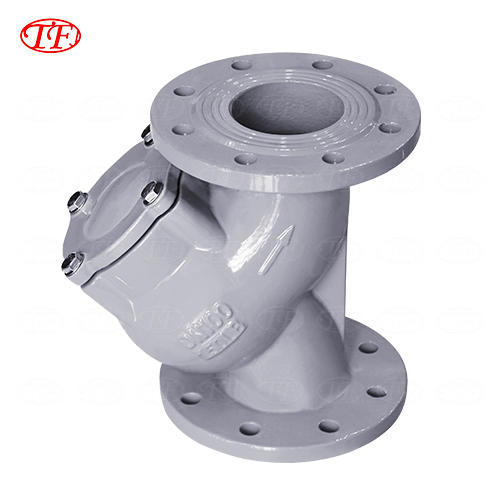
Understanding exactly how a y strainer protects downstream equipment requires a closer look at its design, placement, and maintenance requirements. The y strainer gets its name from the characteristic Y-shaped body, which houses a perforated or mesh screen inside an angled side leg. Fluid enters through the main inlet, passes through the screen, and exits through the outlet, while solid particles are trapped in the screen basket. This simple mechanism delivers powerful protection across water, steam, gas, oil, and chemical service applications. The following sections explain the specific ways a y strainer prevents damage to pumps and valves, how to select the right y strainer for your system, and what a proper maintenance routine looks like.
Pumps are particularly vulnerable to solid contaminants. A y strainer installed on the pump suction line stops particles from entering the pump impeller or casing. Without a y strainer in place, even small particles of rust, weld slag, or mineral scale can score the impeller, damage mechanical seals, and accelerate bearing wear. Each of these problems shortens service life and triggers unplanned downtime. The y strainer intercepts those particles before they ever reach the pump, dramatically reducing wear rates and maintenance frequency.
Valves are equally at risk. Control valves, check valves, and solenoid valves all contain precision-machined internal parts with tight tolerances. A y strainer upstream of a control valve prevents debris from lodging in the valve seat or plug, which would otherwise cause leakage or prevent the valve from seating properly. For solenoid valves, even very fine particles can block small orifices and cause operational failures. The y strainer provides the first line of defense, keeping valve internals clean and functional over the long term.
Beyond pumps and valves, a y strainer also protects flow meters, pressure regulators, and heat exchangers from contamination. A y strainer placed upstream of a flow meter ensures that debris does not jam the meter internals or distort readings. In steam systems, a y strainer catches pipe scale that forms during startup and can block steam traps or damage pressure-reducing valves. By positioning a y strainer at each critical protection point, operators maintain both equipment integrity and process accuracy throughout the system.
Choosing the correct y strainer requires attention to several key parameters. First, identify the fluid type, operating pressure, and temperature range. A y strainer used in a high-pressure steam line must be rated for those conditions and constructed from appropriate materials such as carbon steel or stainless steel. A y strainer in a corrosive chemical service will typically require stainless steel or special alloy construction to resist degradation. Matching the y strainer material to the fluid is not optional — it directly determines how long the strainer will last and how reliably it will function.
Second, the screen mesh size of the y strainer must match the protection requirements of the downstream equipment. A coarser mesh allows higher flow capacity but catches only larger particles. A finer mesh provides tighter filtration but requires more frequent cleaning. As a general rule, select a y strainer screen size based on the most sensitive piece of equipment downstream. If the y strainer protects a control valve with fine internal passages, use a finer mesh. If the y strainer primarily protects a large pump, a coarser screen may be sufficient while maintaining acceptable pressure drop.
Connection type is another important factor when selecting a y strainer. Flanged y strainer designs are common in industrial pipelines because they allow easy removal and reinstallation during cleaning or screen replacement. A flanged y strainer also supports higher pressure ratings and larger pipe sizes compared to threaded designs. Threaded y strainer options work well in smaller diameter lines and lower-pressure systems where installation simplicity is a priority. Regardless of connection type, confirm that the y strainer end connections match the existing pipeline standards to avoid costly adapters or rework.
A y strainer requires periodic cleaning to remain effective. As the screen collects debris over time, pressure drop across the y strainer increases. If the y strainer is not cleaned, the accumulated debris can restrict flow severely, reducing system performance and potentially damaging the pump by starving it of suction pressure. Most systems benefit from installing pressure gauges on both sides of the y strainer to monitor differential pressure. When pressure drop across the y strainer rises above the acceptable threshold, it is time to clean or replace the screen.
Cleaning a y strainer is straightforward. Shut off flow, relieve pressure, remove the screen through the drain plug or blow-off connection, rinse the screen, and reinstall. Some y strainer models include an integrated blow-off valve that allows cleaning without fully removing the screen, which is especially useful in continuous-process systems where shutdown time is limited. Establishing a regular maintenance schedule based on your system's contamination load will keep your y strainer performing at peak efficiency year after year.
Systems that consistently use a y strainer at each critical protection point show measurably longer equipment lifespans. Pumps last longer because their seals and impellers are not abraded by solid particles. Valves operate more reliably because their seats stay clean and undamaged. Instrumentation provides more accurate readings because it is not fouled by debris. The total cost of maintaining a y strainer is a small fraction of the repair or replacement cost for the equipment it protects. Over a system's service life, investing in a quality y strainer and keeping it properly maintained delivers significant returns in reduced downtime and lower maintenance spend.
A y strainer should be installed immediately upstream of any equipment that is sensitive to contamination, including pumps, control valves, solenoid valves, flow meters, and heat exchangers. The screen leg of the y strainer should point downward or horizontally to allow collected debris to settle by gravity and be easily drained during maintenance.
Cleaning frequency depends on the level of contamination in the system. In new pipelines, a y strainer may need cleaning frequently during initial commissioning as weld slag and pipe scale flush through. In established systems, cleaning the y strainer every few months is typical, but monitoring differential pressure across the y strainer is the most reliable indicator of when cleaning is actually needed.
Yes, a y strainer can be engineered for steam and high-temperature service. Carbon steel and stainless steel y strainer bodies rated to the appropriate pressure and temperature class are widely used in steam distribution systems. Selecting a y strainer with the correct pressure rating, gasket material, and body material for the specific service conditions ensures safe, long-term performance in demanding thermal applications.
Foshan Tangzheng Pipe Fittings Co., Ltd. provides premium gate, globe, ball & control valves for petrochemical, power & HVAC industries. 30+ years expertise, 18-month warranty, 24/7 technical support. Request a custom solution today.
No. 36, 38, 40, 42, 44, 46 North Sixth Road, 1st Floor, Guangdong Lecong Steel World Hardware Accessories Decoration City, Lecong Town
Copyright © Foshan Tangzheng Pipe Fittings Co., Ltd. | Privacy policy

 EN
EN

