 ×
×
Selecting the right control valves is one of the most consequential decisions in any industrial fluid system. Whether you are managing steam, water, gas, or chemical media, control valves directly determine whether your process achieves the pressure and flow targets it demands. A poor choice leads to energy waste, unstable processes, premature wear, and costly downtime. Understanding what separates a well-matched valve from a mismatched one is therefore essential for engineers, procurement teams, and plant operators alike.
Control valves regulate the rate of fluid flow or maintain a set pressure level by adjusting the size of the flow passage in response to a controller signal. They are the physical actuators of process control loops, bridging the gap between the controller output and the actual behavior of the fluid. Choosing control valves correctly requires a structured approach that covers process conditions, valve body type, sizing, actuator selection, and material compatibility. This article walks through each of those dimensions so you can make confident, well-informed decisions for your specific application.
Control valves modulate fluid flow by varying the restriction within the valve body. As the valve stem position changes, the flow area changes, which in turn alters the differential pressure across the valve and the resulting flow rate. This dynamic relationship means that control valves must be selected not only for their mechanical durability but also for their hydraulic behavior across the full operating range. A valve that is oversized will spend most of its time operating near the closed position, reducing precision and increasing wear. An undersized valve will never deliver sufficient flow, creating bottlenecks and pressure instability.
Control valves interact with upstream and downstream conditions at all times. When system pressure fluctuates, well-selected control valves compensate automatically through the action of their control loop. This self-regulating capability is what makes control valves indispensable in applications such as heat exchangers, reactors, compressor bypass lines, and boiler feedwater systems. Understanding this dynamic role is the foundation for every selection decision that follows.
The most widely used control valves include globe valves, ball valves, butterfly valves, and rotary plug valves. Globe control valves are the industry standard for throttling service because their internal design provides inherently stable and predictable flow characteristics. Ball-type control valves offer low pressure drop and are well suited for on-off or limited modulating service with clean media. Butterfly control valves are compact, lightweight, and cost-effective for large-diameter, low-pressure applications. Rotary plug control valves combine tight shutoff with smooth throttling, making them appropriate for demanding or abrasive services. Matching the valve type to the process duty is the first critical filter in selection.
Every sizing and selection exercise for control valves begins with a complete set of process data. The required data includes the fluid type, operating temperature range, inlet and outlet pressure, required flow rate at minimum, normal, and maximum conditions, and fluid physical properties such as viscosity and density. Control valves are sized using a flow coefficient, commonly expressed as Cv, which quantifies how much flow the valve passes at a given differential pressure. Using inaccurate or incomplete process data is the single most common cause of control valve sizing errors. Engineers should always validate process data before proceeding with any valve sizing calculation.
Special attention must be paid to pressure drop allocation when sizing control valves. Control valves need an adequate pressure drop to maintain authority over the control loop. If the allocated pressure drop is too small, control valves lose their ability to regulate flow effectively, and the loop becomes sluggish or unstable. Conversely, an excessive pressure drop increases noise, vibration, and the risk of cavitation or flashing in liquid service. Proper pressure drop allocation is therefore a balance between control performance and system energy efficiency when specifying control valves for any application.
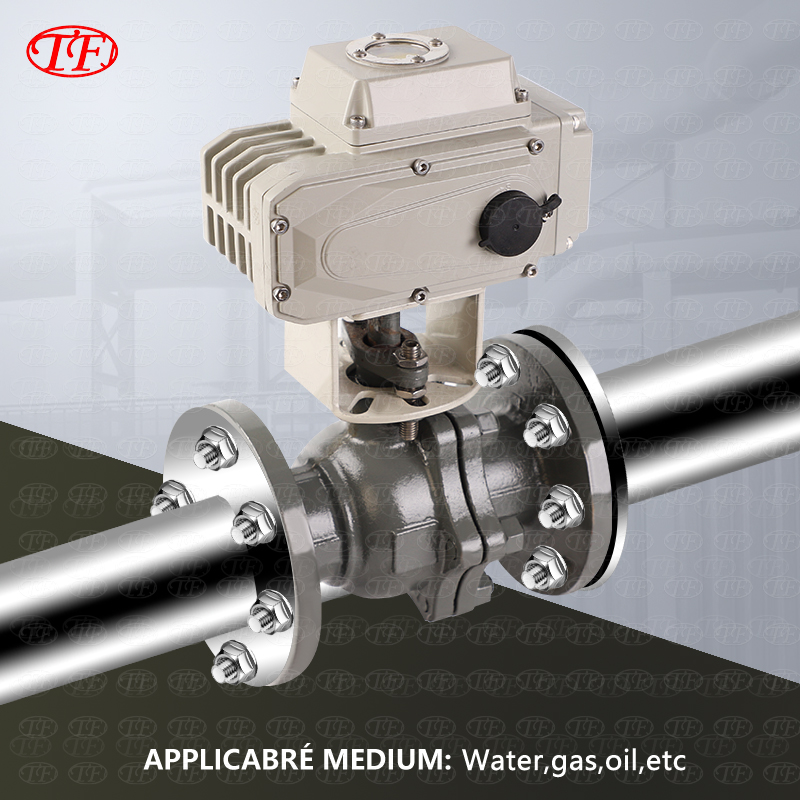
Control valves must be constructed from materials that are chemically compatible with the process fluid, mechanically suitable for the operating temperature, and durable enough for the expected service life. Stainless steel body materials are widely used for control valves handling corrosive fluids, high-purity media, or food and pharmaceutical applications. Carbon steel is standard for non-corrosive oil and gas services where cost and pressure ratings are the primary concerns. Trim materials, including the plug, seat, and stem, require equally careful selection because these are the surfaces in control valves that experience the highest velocity and wear. Hardened alloys and specialized coatings extend the service life of control valves significantly in erosive or high-velocity applications.
Control valves require an actuator to convert the controller output signal into mechanical stem movement. Pneumatic actuators remain the dominant choice for control valves in most industries because they are reliable, fast-responding, and intrinsically safe in hazardous areas. Electric actuators are selected for control valves when compressed air is unavailable or when precise digital position feedback is required. Hydraulic actuators are used for large control valves operating under very high torque requirements. The actuator must be sized to overcome the maximum stem force or torque required by the control valve under all operating conditions, including high differential pressure at shutoff.
A valve positioner is a feedback device mounted on control valves to ensure accurate stem positioning in response to the controller signal. Without a positioner, friction, hysteresis, and process forces can cause control valves to deviate from the desired position, reducing control accuracy. Modern digital positioners also provide diagnostic data about the health of control valves, enabling predictive maintenance strategies that reduce unplanned shutdowns. For any application requiring tight control of pressure or flow, specifying a high-quality positioner alongside control valves is strongly recommended. Positioners transform basic control valves into precision instruments capable of meeting stringent process targets.
The most important factor is accurate process data, particularly the fluid properties, pressure conditions, and required flow range. Control valves sized with incomplete or incorrect data will either underperform or create instability in the control loop. Always confirm minimum, normal, and maximum flow conditions before calculating the Cv for control valves.
Correctly sized control valves typically operate between 20% and 80% open at normal flow conditions. If control valves consistently operate near fully closed or fully open, they are likely oversized or undersized, respectively. Reviewing the valve travel at normal operating conditions against the design specification is the quickest diagnostic check for whether control valves are sized appropriately.
Control valves can be configured to regulate either pressure or flow depending on the control loop design, but a single valve cannot independently control both variables at the same time in the same loop. In systems where both pressure and flow must be managed, multiple control valves or a split-range configuration may be employed. The specific control strategy should be defined during the process design stage to ensure the right number and type of control valves are specified.
Foshan Tangzheng Pipe Fittings Co., Ltd. provides premium gate, globe, ball & control valves for petrochemical, power & HVAC industries. 30+ years expertise, 18-month warranty, 24/7 technical support. Request a custom solution today.
No. 36, 38, 40, 42, 44, 46 North Sixth Road, 1st Floor, Guangdong Lecong Steel World Hardware Accessories Decoration City, Lecong Town
Copyright © Foshan Tangzheng Pipe Fittings Co., Ltd. | Privacy policy

 EN
EN

