 ×
×
Selecting the right butterfly valve for industrial water and HVAC systems is a decision that directly affects system reliability, energy efficiency, and long-term maintenance costs. A butterfly valve is a quarter-turn flow control device widely used across water treatment plants, chilled water loops, cooling towers, and building HVAC pipelines. With so many configurations available, understanding how to match a butterfly valve to your specific application is essential for both engineers and procurement professionals.
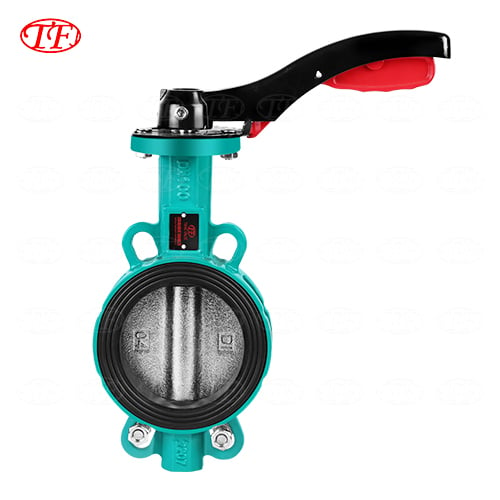
Choosing a butterfly valve is not simply a matter of matching pipe size. The right butterfly valve must align with the system's pressure class, fluid media, temperature range, and actuation method. Whether you are specifying a butterfly valve for a large-scale industrial water distribution network or a commercial HVAC installation, a structured selection approach will help you avoid costly failures and unnecessary downtime.
The body style of a butterfly valve determines how it connects to the pipeline and what installation flexibility it offers. A wafer butterfly valve is the most compact and cost-effective option. It fits between two flanges using through-bolts, making it ideal for water and HVAC systems where space is limited and pressure ratings remain moderate. A wafer butterfly valve is commonly specified for systems up to PN16, which covers most commercial HVAC chilled and hot water circuits.
A lug butterfly valve provides more mechanical robustness, with threaded inserts on each side that allow it to be installed as a line end valve. This makes the lug butterfly valve suitable for systems where one side of the pipeline must be removed for maintenance without shutting down the entire network. For large-diameter industrial water lines, a double-flanged butterfly valve offers the greatest structural support, accommodating higher pressure and larger pipe sizes with ease.
The disc geometry of a butterfly valve significantly influences sealing performance and service life. A concentric butterfly valve, also called a zero-offset butterfly valve, has the stem passing through the centerline of the disc and the bore. This design is simple, economical, and well-suited for soft-seated applications in HVAC and general water service up to moderate pressures. However, the disc maintains continuous contact with the seat during rotation, which generates wear over time.
A double-eccentric or triple-eccentric butterfly valve reduces or eliminates this contact during rotation, extending seat life and enabling tighter shutoff at higher pressures. For industrial water systems handling elevated pressures or requiring bubble-tight shutoff, an eccentric butterfly valve design is the preferred choice. Understanding the trade-off between cost and performance is critical when specifying a butterfly valve for demanding service conditions.
Material selection for a butterfly valve body and disc must align with the fluid type, temperature, and potential for corrosion. Ductile iron is the most widely used body material for a butterfly valve in industrial water and HVAC applications. It offers excellent mechanical strength, good machinability, and compatibility with a broad range of fluids at reasonable cost. For corrosive media or potable water systems, a stainless steel butterfly valve or a coated ductile iron butterfly valve may be required to meet regulatory standards.
The disc of a butterfly valve is equally important. Stainless steel discs provide corrosion resistance and durability in water systems. Coated or lined discs can be specified for mildly aggressive fluids. When specifying a butterfly valve for HVAC chilled or hot water circuits, ensure the disc material is compatible with any chemical additives or corrosion inhibitors present in the system water.
The seat of a butterfly valve is the primary sealing element, and its material must suit the operating temperature and fluid chemistry. EPDM is the most common seat material for a butterfly valve in HVAC and clean water applications. EPDM delivers excellent sealing performance across a wide temperature range, typically from minus 30 degrees Celsius to plus 120 degrees Celsius, and resists degradation from water and common HVAC fluid additives. An EPDM-seated butterfly valve is the standard recommendation for chilled water loops, condenser water systems, and potable water distribution.
NBR seats are preferred when the butterfly valve may encounter oils or petroleum-based fluids. PTFE-lined butterfly valve seats offer chemical resistance for more aggressive media. Always confirm seat compatibility with the actual fluid and temperature range before finalizing a butterfly valve specification, as an incorrect seat material will lead to premature leakage and failure.
Every butterfly valve carries a pressure-temperature rating that defines its safe operating envelope. For HVAC systems, a butterfly valve rated at PN10 or PN16 is typically sufficient. Industrial water systems may require a butterfly valve rated at PN25 or higher, depending on pump discharge pressures and system elevation. Always apply an appropriate safety factor and account for water hammer effects, which can produce transient pressures far exceeding steady-state values. Selecting a butterfly valve with an adequate pressure margin prevents seat deformation and body failure during system surges.
The actuation method chosen for a butterfly valve must match the operational demands of the system. For small-diameter lines and infrequent operation, a manual lever butterfly valve offers simplicity and low cost. As pipe diameter increases beyond DN150, the torque required to operate a butterfly valve manually becomes significant, and a gear operator becomes necessary to reduce operating force to a manageable level. Gear-operated butterfly valve assemblies are standard in larger HVAC plant rooms and pumping stations.
Automated systems may require an electric or pneumatic actuated butterfly valve to enable remote control, integration with building management systems, or process automation. An actuated butterfly valve provides precise flow regulation, position feedback, and the ability to respond to system demand changes without manual intervention. When specifying an actuated butterfly valve, confirm actuator torque ratings against the butterfly valve's required breakaway and running torque across the full pressure differential range.
EPDM is the most widely recommended seat material for a butterfly valve used in HVAC chilled water systems. It provides reliable sealing across typical HVAC temperature ranges and is compatible with water treatment chemicals commonly used in closed-loop systems. Always verify chemical compatibility with your specific fluid additives before finalizing the butterfly valve specification.
To select the correct pressure-rated butterfly valve, identify the maximum steady-state system pressure, then add a safety margin to account for transient pressure spikes such as water hammer. Most industrial water systems specify a butterfly valve at PN16 as a minimum, but high-pressure pump discharge lines may require a butterfly valve rated at PN25 or above. Consult the system's hydraulic design report and apply recognized engineering standards for final specification.
A wafer butterfly valve is the preferred choice when installation space is limited, cost must be minimized, and the butterfly valve will not serve as a line-end isolation point. A lug butterfly valve is the better option when one side of the pipeline must be disconnected for maintenance while the other side remains pressurized. For most standard HVAC and water distribution applications, a wafer butterfly valve offers the best balance of performance, compactness, and economy.
Foshan Tangzheng Pipe Fittings Co., Ltd. provides premium gate, globe, ball & control valves for petrochemical, power & HVAC industries. 30+ years expertise, 18-month warranty, 24/7 technical support. Request a custom solution today.
No. 36, 38, 40, 42, 44, 46 North Sixth Road, 1st Floor, Guangdong Lecong Steel World Hardware Accessories Decoration City, Lecong Town
Copyright © Foshan Tangzheng Pipe Fittings Co., Ltd. | Privacy policy

 EN
EN

