 ×
×
When engineers and procurement professionals evaluate flow control solutions for large diameter pipeline systems, the butterfly valve consistently emerges as the preferred choice. Its combination of compact design, high flow capacity, and cost-effective performance makes it uniquely suited to the demanding conditions of large-bore piping. Understanding what drives this preference requires a close look at the engineering logic behind the butterfly valve and how its properties align with real-world pipeline requirements.
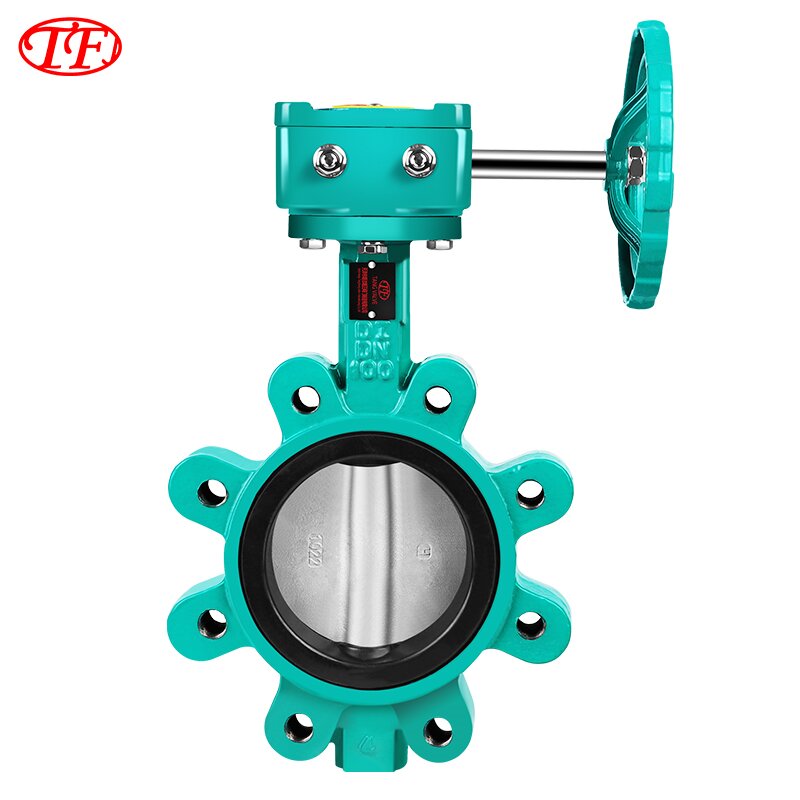
Large diameter pipelines present unique engineering challenges. They carry enormous fluid volumes, often under significant pressure, and they run through industrial facilities where space, weight, and maintenance access are critical constraints. The butterfly valve addresses all of these challenges through its fundamental design principles, making it a smarter and more practical option compared to gate valves or globe valves when pipe diameters grow beyond 12 inches. This article explores exactly what makes the butterfly valve so well suited to large diameter pipeline applications.
The butterfly valve achieves flow control through a rotating disc mounted on a central shaft inside the valve body. This simple mechanism means the butterfly valve body is extremely short in face-to-face length compared to gate or globe valves of equivalent size. In a 24-inch or 36-inch pipeline, this size difference becomes enormously significant. The butterfly valve can reduce the structural footprint of each valve station, allowing more flexibility in pipeline layout and reducing the load on pipe supports and flanges.
Weight is equally important. A large butterfly valve weighs a fraction of what a gate valve of the same diameter would weigh. This reduction matters in overhead pipe runs, offshore platforms, and process plants where structural loading is carefully controlled. The butterfly valve allows engineers to design lighter, more cost-efficient pipe support systems without compromising control performance.
A butterfly valve in the fully open position presents minimal obstruction to flow. The disc rotates to align nearly parallel with the pipe axis, allowing fluid to pass through with very low pressure drop. For large diameter pipelines carrying water, slurries, gases, or industrial fluids at high volume, this characteristic is operationally critical. Maintaining low pressure drop across each butterfly valve in a long pipeline reduces pumping energy costs significantly over time, directly improving operational economics.
One practical concern with large diameter butterfly valve applications is the operating torque required to rotate the disc against line pressure. Modern butterfly valve designs address this through precision-engineered seat profiles and optimized disc geometry that minimize break torque. Worm gear actuators are commonly paired with large butterfly valve installations because they provide the mechanical advantage needed to operate the valve smoothly and reliably, even at full line pressure. Electric or pneumatic actuators can also be fitted to the butterfly valve for automated pipeline control in remote or hazardous environments.
The worm gear butterfly valve configuration is especially practical for large diameter applications because it allows manual override capability alongside automated operation. Maintenance teams can operate the butterfly valve manually during power outages or during actuator servicing without taking the pipeline offline. This operational flexibility is a major reason why worm gear butterfly valve assemblies dominate large pipeline installations across water treatment, chemical processing, and industrial utility systems.
A butterfly valve can be engineered with a wide variety of seat and disc materials to match the specific fluid being controlled. Resilient-seated butterfly valve designs provide bubble-tight shutoff for water and low-pressure gas service. Metal-seated butterfly valve configurations handle high-temperature steam, abrasive slurries, and corrosive chemical flows. For large diameter pipeline applications where fluid compatibility and long service life are non-negotiable, the butterfly valve offers far more material flexibility than many competing valve types.
The lug-type butterfly valve and wafer-type butterfly valve are the two dominant configurations for pipeline integration. The wafer butterfly valve fits between flanges with through-bolts, offering an extremely compact and cost-effective installation. The lug butterfly valve uses threaded inserts that allow the valve to be removed from the line without disturbing adjacent piping, which is a significant maintenance advantage in large pipeline systems where isolation and replacement must occur without full system shutdown.
As pipeline diameter increases, the cost advantage of the butterfly valve over alternatives becomes more pronounced. A butterfly valve is significantly less expensive than a gate valve or ball valve of equivalent diameter. The savings come from less raw material in the butterfly valve body, simpler manufacturing geometry, and lighter shipping weights. For projects involving dozens or hundreds of large diameter control points, specifying the butterfly valve instead of heavier alternatives can generate substantial capital savings without any reduction in system performance.
Installation labor costs are also lower with the butterfly valve. Because the butterfly valve is lighter and has a shorter face-to-face dimension, fewer workers and less lifting equipment are needed to position and bolt each butterfly valve into place. Pipeline contractors consistently report faster installation cycles when butterfly valve units replace gate valves in large diameter configurations, particularly in crowded plant environments where working space is limited.
The butterfly valve has fewer internal components than gate or globe valves of similar size, which directly reduces maintenance frequency and spare parts costs. The disc, shaft, seat, and body of a butterfly valve are all accessible without removing the butterfly valve from the line in many configurations. Resilient seat replacement in a large butterfly valve can often be completed during a scheduled maintenance window without significant downtime. When a full butterfly valve replacement is necessary, the lug-style butterfly valve design allows individual valve swap-out without disrupting the entire pipeline segment.
A butterfly valve is available across an extremely wide size range, from under 2 inches to well over 120 inches in diameter. For large diameter pipeline applications, butterfly valve sizes from 12 inches to 72 inches are most commonly specified. Manufacturers can produce custom butterfly valve sizes for specialized infrastructure projects requiring non-standard diameters.
A wafer butterfly valve is sandwiched between two pipe flanges and held in place by through-bolts passing around the butterfly valve body. A lug butterfly valve has threaded lugs cast into the body, allowing bolts from each flange side to thread directly into the butterfly valve. This makes the lug butterfly valve suitable for dead-end service and easier to remove without disturbing adjacent piping sections.
Yes, a butterfly valve can be engineered for high-pressure service through the use of cast steel bodies, metal seats, and heavy-duty disc and shaft designs. High-performance butterfly valve models rated for Class 150 to Class 300 and beyond are widely used in large diameter industrial pipeline systems. Selecting the correct butterfly valve pressure class and material specification is essential to ensure safe and reliable performance at elevated pressures.
Foshan Tangzheng Pipe Fittings Co., Ltd. provides premium gate, globe, ball & control valves for petrochemical, power & HVAC industries. 30+ years expertise, 18-month warranty, 24/7 technical support. Request a custom solution today.
No. 36, 38, 40, 42, 44, 46 North Sixth Road, 1st Floor, Guangdong Lecong Steel World Hardware Accessories Decoration City, Lecong Town
Copyright © Foshan Tangzheng Pipe Fittings Co., Ltd. | Privacy policy

 EN
EN

