 ×
×
Municipal water distribution networks are among the most critical infrastructure systems in any city or town. These networks must deliver clean, pressurized water reliably to thousands of endpoints every day without interruption. At the heart of maintaining this reliability are gate valves, which serve as the primary isolation and flow control devices installed throughout pipelines, distribution mains, and service connections. Understanding how gate valves contribute to network dependability is essential for engineers, utility managers, and procurement specialists responsible for public water systems.
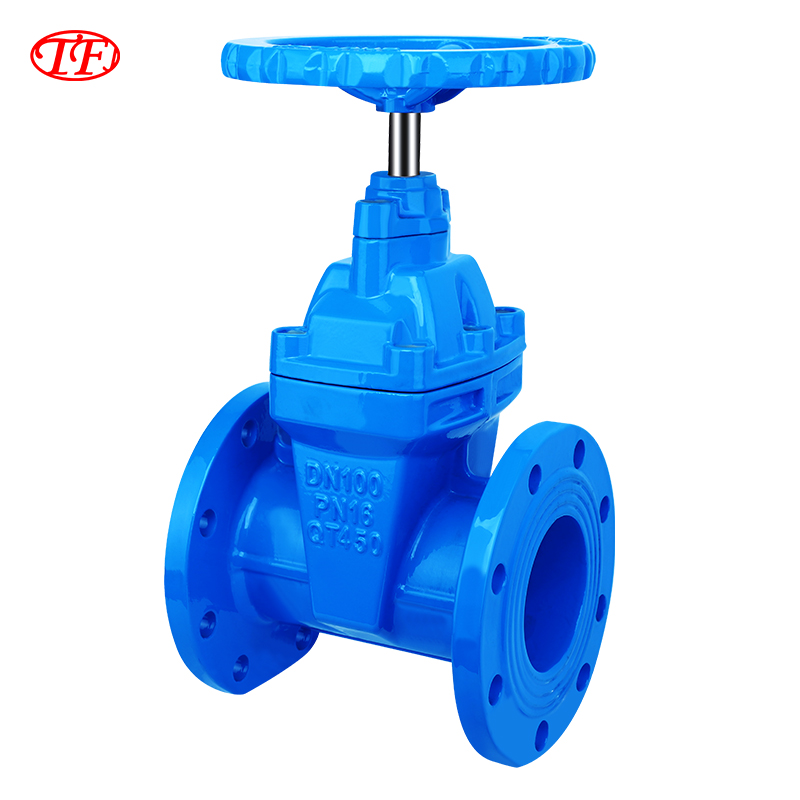
Gate valves are bidirectional shut-off devices that use a sliding gate or wedge disc to fully open or fully close the flow path within a pipe. Unlike throttling valves, gate valves are designed for full-bore operation, meaning they create virtually no pressure drop when fully open. This characteristic makes gate valves particularly well suited for municipal water infrastructure, where minimizing hydraulic resistance and maintaining consistent pressure across long distribution networks are top priorities. Selecting the right gate valves for these systems directly influences both operational efficiency and long-term asset reliability.
One of the most important functions gate valves perform in municipal water distribution is sectional isolation. When a pipe burst, leak, or equipment failure occurs, operators must be able to shut off water flow quickly to a specific zone without affecting the rest of the network. Gate valves installed at strategic intervals throughout the distribution grid allow maintenance crews to isolate individual segments of the pipeline system with precision. This targeted isolation minimizes service disruption, reduces the volume of water lost during repairs, and allows crews to restore service to unaffected zones more rapidly. Gate valves designed with soft-seal technology provide tight shutoff even after years of operational use, which is critical when rapid isolation is needed during emergencies.
Beyond emergency response, gate valves are essential for planned maintenance operations. Water utility networks require periodic inspection, pipe relining, meter replacement, and pump servicing. Gate valves allow operators to dewater specific sections for these tasks while keeping the broader network pressurized and operational. A well-placed network of gate valves gives maintenance teams the flexibility to schedule work without imposing city-wide service outages. Flanged gate valves with non-rising stems are especially valued in underground installations because their compact design allows full operation even within limited valve chamber space. The reliability of gate valves in repeated open-close cycles ensures that the isolation function remains dependable across many years of service.
Pressure management is a fundamental challenge in large municipal water networks. Excessive pressure increases the risk of pipe bursts, joint failures, and meter inaccuracies, while insufficient pressure compromises delivery to elevated areas and high-demand zones. Gate valves support stable pressure conditions by providing a fully unobstructed flow path when open. Because gate valves do not obstruct the internal bore of the pipe when fully open, they do not introduce turbulence or create localized pressure differentials that could weaken pipe joints or cause cavitation. This full-bore characteristic distinguishes gate valves from other valve types and makes them the preferred choice for mainline distribution runs where hydraulic efficiency is critical.
Although gate valves are primarily isolation devices, their tight shutoff capability also contributes to contamination prevention. When gate valves are closed during maintenance or repair work, they prevent backflow of potentially contaminated water from construction zones or compromised sections into clean supply mains. Soft-seal gate valves with resilient rubber seats deliver a bubble-tight seal that ensures no cross-contamination occurs between isolated segments. For municipal systems that must meet strict water quality standards, the sealing performance of gate valves is a non-negotiable reliability requirement. Regular inspection and testing of gate valves confirms that sealing integrity is maintained over time.
The durability of gate valves in underground and submerged municipal applications depends heavily on material selection. Ductile iron bodies with epoxy coatings provide strong corrosion resistance against aggressive soils and water chemistry variations. Stainless steel stems and brass internals further extend service life by resisting oxidation and mineral scaling. Gate valves built to these material standards can operate reliably for decades in buried installations without requiring excavation for replacement. Choosing gate valves with certified pressure ratings and compliant material standards ensures that procurement decisions align with the long-term asset management goals of water utilities. The total cost of ownership for high-quality gate valves is significantly lower than the accumulated cost of early replacements, service disruptions, and emergency repairs caused by inferior valve performance.
Gate valves are mechanically simple compared to other valve types, which contributes directly to their low maintenance profile. The basic gate-and-stem mechanism has few moving parts, meaning there are fewer failure points that require routine servicing. Non-rising stem gate valves used in buried or constrained valve chambers are particularly practical because the stem does not extend upward during operation, reducing the risk of stem damage from vehicle traffic or soil movement above the installation. Utilities that incorporate gate valves into a regular exercise and inspection program can detect early signs of wear, such as increased operating torque or minor stem seal weepage, before these issues escalate into service failures. Gate valves that are exercised periodically maintain their operational readiness far better than those left unused for extended periods.
Gate valves offer a full-bore, unobstructed flow path when fully open, which minimizes pressure loss across long distribution mains. Unlike butterfly or globe valves, gate valves do not introduce flow restriction or turbulence during normal operation. This hydraulic efficiency, combined with reliable tight shutoff capability, makes gate valves the standard choice for isolation duty in municipal water infrastructure.
Most water utility standards recommend exercising gate valves at least once per year. Regular operation prevents the valve disc and seat from bonding due to mineral deposits or scale buildup, which can make gate valves difficult to close during an emergency. Annual or biannual exercise programs, combined with torque monitoring, help utilities identify gate valves that require lubrication, packing adjustment, or replacement before a failure occurs in service.
Yes. Soft-seal gate valves are available in pressure ratings that meet the requirements of most municipal water distribution systems, typically up to 16 bar or higher depending on the specific design and material specification. The resilient rubber seat of soft-seal gate valves provides a superior shutoff compared to metal-seated designs, particularly at lower differential pressures. For mainline isolation in municipal networks, soft-seal gate valves offer an excellent combination of sealing reliability, pressure performance, and extended service life.
Foshan Tangzheng Pipe Fittings Co., Ltd. provides premium gate, globe, ball & control valves for petrochemical, power & HVAC industries. 30+ years expertise, 18-month warranty, 24/7 technical support. Request a custom solution today.
No. 36, 38, 40, 42, 44, 46 North Sixth Road, 1st Floor, Guangdong Lecong Steel World Hardware Accessories Decoration City, Lecong Town
Copyright © Foshan Tangzheng Pipe Fittings Co., Ltd. | Privacy policy

 EN
EN

