 ×
×
Selecting the right gate valves for industrial applications is one of the most consequential decisions an engineer or procurement specialist can make. Gate valves control the flow of liquids, gases, and slurries across a wide range of industries, from water treatment and oil refining to chemical processing and power generation. A poorly chosen gate valve can result in leaks, premature failure, costly downtime, and serious safety risks. Understanding the key selection factors helps ensure that the gate valves you specify will perform reliably throughout their service life.
Gate valves are designed primarily for fully open or fully closed service, making them ideal for isolation applications rather than flow regulation. When evaluating gate valves for industrial use, procurement teams and engineers must consider a combination of system requirements, environmental conditions, and operational demands. The factors explored in this article will guide you through the essential considerations that distinguish a well-matched gate valve from one that creates long-term problems in the field.
One of the first factors to assess when selecting gate valves is the operating pressure of the system. Gate valves are manufactured across a broad spectrum of pressure classes, and choosing a valve rated below the system's maximum allowable working pressure can lead to catastrophic failure. Always verify that the gate valves under consideration carry the appropriate pressure-temperature rating, such as ANSI Class 150, 300, or higher, depending on your application requirements. Industrial pipelines that experience pressure surges or water hammer effects demand gate valves with additional mechanical strength and reliable sealing capability.
Temperature is equally critical. Gate valves used in steam systems, thermal power plants, or high-temperature chemical processes must be constructed from materials that maintain structural integrity under thermal stress. Soft-seal gate valves, for example, are generally limited to moderate temperature ranges, while metal-seated gate valves can tolerate significantly higher temperatures. Always cross-reference the fluid temperature with the valve manufacturer's published temperature limits before specifying gate valves for any high-heat environment.
Gate valves should be correctly sized to match the nominal pipe diameter and the expected flow velocity. Oversized or undersized gate valves can cause turbulence, vibration, and uneven wear on internal components. Gate valves are full-bore designs by nature, which means they allow fluid to pass through with minimal pressure drop when fully open. This makes gate valves particularly suitable for applications where maintaining pipeline pressure is essential. Proper sizing also reduces actuator requirements when gate valves are used in automated or remote-controlled systems.
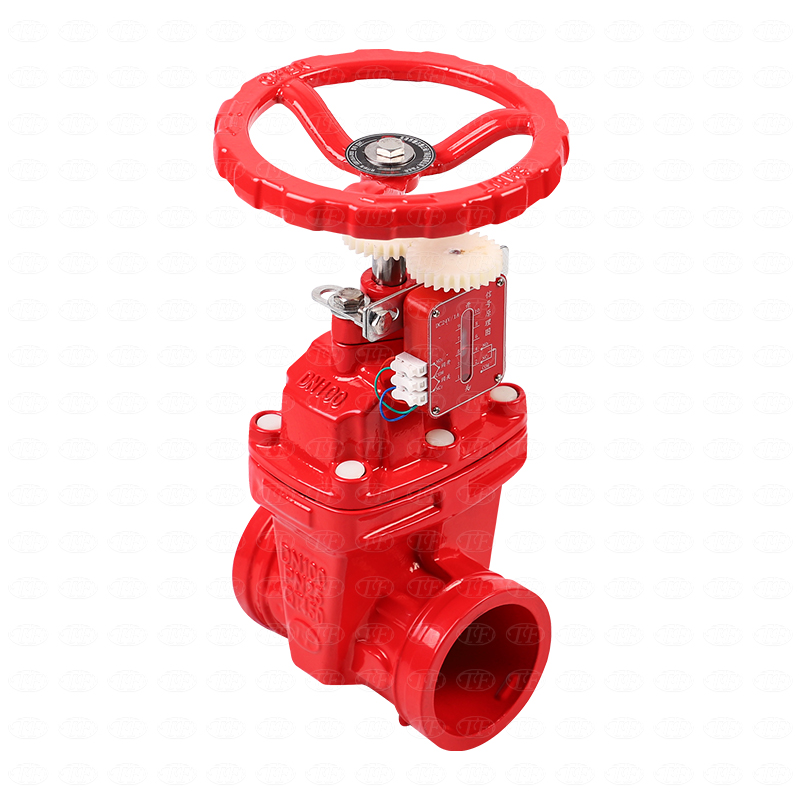
The body material of gate valves must be compatible with the media flowing through the pipeline. Common materials for gate valves include cast iron, ductile iron, carbon steel, stainless steel, and bronze. Cast iron gate valves are widely used in water distribution systems due to their cost-effectiveness and corrosion resistance in non-aggressive environments. Stainless steel gate valves are preferred in chemical processing and food-grade applications where hygiene and chemical resistance are priorities. Carbon steel gate valves offer excellent mechanical strength for high-pressure oil and gas pipelines.
When the media is corrosive, abrasive, or contains particulate matter, material selection for gate valves becomes even more critical. Using incompatible materials accelerates corrosion, pitting, and erosion of the valve seat and gate, leading to premature leakage. Some gate valves feature lined interiors or coated wetted surfaces to enhance chemical resistance without requiring a full upgrade to exotic alloys. Always review the chemical compatibility data specific to your process fluid when selecting gate valves for aggressive or specialized media.
Gate valves are broadly categorized into soft-seal and metal-seated designs, and the choice significantly affects sealing performance and application suitability. Soft-seal gate valves use resilient elastomeric seals, typically rubber or EPDM, to achieve bubble-tight shutoff even at lower pressures. These gate valves are commonly used in water supply, wastewater, and HVAC systems where clean shutoff is required without high torque. Flanged rising-stem soft-seal gate valves, for instance, are a popular choice in municipal water networks due to their reliable sealing and easy maintenance. Metal-seated gate valves, on the other hand, are designed for high-temperature, high-pressure, or abrasive media where elastomeric seals would degrade quickly.
Gate valves are available with different end connections, including flanged, threaded, butt-weld, and socket-weld types. Flanged gate valves are among the most common in industrial pipelines because they allow easy removal and replacement without cutting the pipe. The flange standard must match the pipeline flange, whether it follows ANSI, DIN, BS, or other regional standards. Threaded gate valves are typically used in smaller-diameter, lower-pressure systems. When specifying gate valves for large industrial installations, confirming dimensional compatibility with existing pipeline infrastructure is essential to avoid costly modifications.
Gate valves feature either rising-stem or non-rising-stem configurations. Rising-stem gate valves provide a visible indication of valve position, which is valuable in facilities where operators need to confirm open or closed status at a glance. Non-rising-stem gate valves are preferred in confined spaces where vertical clearance is limited. Gate valves can also be supplied with manual handwheels, gearboxes, or electric, pneumatic, or hydraulic actuators, depending on whether automated control is required. Selecting the correct stem design and actuation method ensures that gate valves integrate seamlessly into the overall process control architecture.
Maintenance accessibility is another important consideration. Gate valves with bolted bonnets are easier to service in the field compared to welded-bonnet designs. Industrial facilities with high valve counts should prioritize gate valves that support in-line maintenance to reduce operational disruption. Spare parts availability, service intervals, and manufacturer support are all factors that influence the long-term value of gate valves in a production environment.
Soft-seal gate valves use elastomeric materials to achieve tight shutoff and are suitable for water, HVAC, and low-to-medium pressure systems. Metal-seated gate valves use hardened metal contact surfaces and are designed for high-temperature, high-pressure, or abrasive fluid applications where rubber or elastomeric seals would fail prematurely.
Flanged gate valves are preferred because they allow easy installation and removal without cutting the pipeline. The bolted flange connection provides a secure and leak-resistant joint while enabling maintenance teams to replace gate valves during scheduled shutdowns without major pipeline modifications.
To determine the correct pressure rating, identify the system's maximum allowable working pressure and account for any surge pressures, thermal expansion effects, or dynamic loads. Gate valves must be rated at or above the highest pressure the system will experience under any operating condition. Consulting the applicable piping standards and the gate valves manufacturer's pressure-temperature tables will provide the most reliable guidance.
Foshan Tangzheng Pipe Fittings Co., Ltd. provides premium gate, globe, ball & control valves for petrochemical, power & HVAC industries. 30+ years expertise, 18-month warranty, 24/7 technical support. Request a custom solution today.
No. 36, 38, 40, 42, 44, 46 North Sixth Road, 1st Floor, Guangdong Lecong Steel World Hardware Accessories Decoration City, Lecong Town
Copyright © Foshan Tangzheng Pipe Fittings Co., Ltd. | Privacy policy

 EN
EN

