 ×
When a butterfly gate valve slows a process, leaks, or needs unusual force to operate, restoring efficiency starts with identifying the cause rather than replacing parts at random. A butterfly gate valve is often the search term used for a butterfly-style isolation valve; in troubleshooting, focus on its disc, seat, stem, actuator, and connected piping. The right checks can separate a valve fault from a system problem.
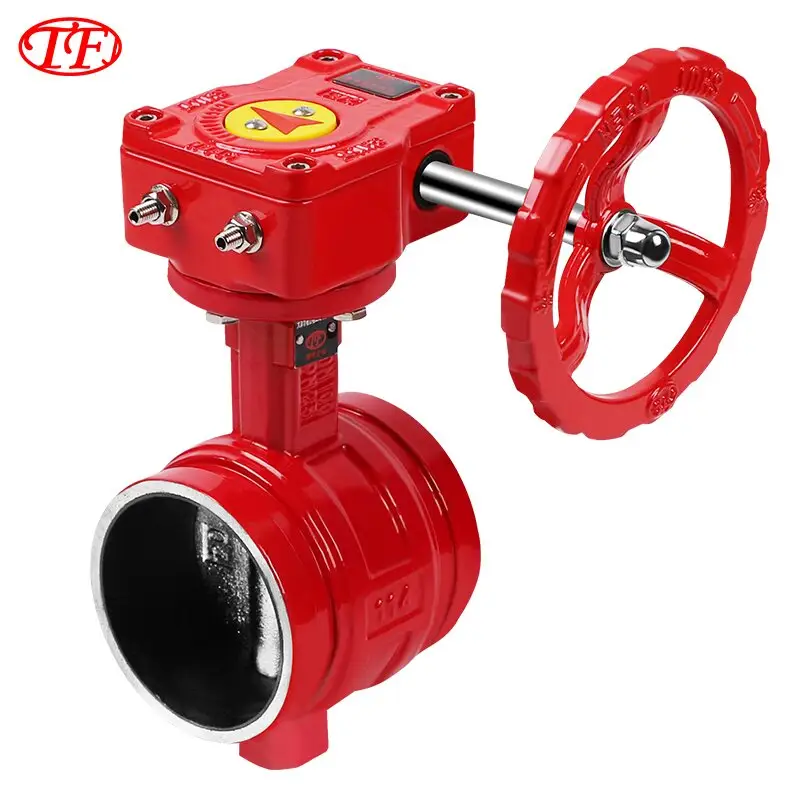
A useful troubleshooting sequence moves from operating conditions to external components and then to internal inspection. That order helps teams avoid unnecessary downtime and protects the line from unsafe testing. With a butterfly gate valve, efficient diagnosis means recording the symptom, checking whether the valve reaches its intended position, and confirming that pressure, flow, and media match the installation requirements.
Begin by describing what changed: reduced flow, leakage past the closed disc, a noisy line, slow movement, or a handle that suddenly feels stiff. Note when the issue appears and whether it affects one operating condition or every cycle. For a butterfly gate valve, these details help distinguish a position problem from seat wear, debris, or an upstream restriction. Avoid forcing the mechanism before recording its behavior.
Compare current operation with the process baseline, including pressure, temperature, flow demand, and cycle frequency. A butterfly gate valve may seem inefficient because the process has changed, even when the valve itself has not failed. Check recent maintenance records and control signals, then confirm whether the indicated position agrees with the physical handle or actuator position. A mismatch points toward linkage, calibration, or feedback trouble.
Inspect the pipework for misalignment, excessive vibration, strained supports, and deposits that could affect movement. A butterfly gate valve needs adequate clearance for the disc to rotate without contacting a nearby pipe feature or lining. If the valve was recently installed or removed, verify that flange alignment and fastener tightening followed the applicable procedure. Uneven loading can distort the body or seat and create leakage or torque symptoms.
Look for a partly closed upstream valve, clogged strainer, blocked branch, or process buildup before blaming the target valve. These restrictions can reduce throughput while the butterfly gate valve still moves normally. Confirm flow direction and operating conditions against the equipment documentation, particularly after line modifications. Checking the system as a whole prevents operators from increasing actuator force to compensate for a restriction elsewhere.
Leakage through a closed butterfly gate valve can result from debris trapped at the seat, damaged elastomer, a scratched disc edge, or incomplete travel. Isolate the line under the site procedure, depressurize it, and verify a safe state before inspection. If debris is suspected, use an approved cleaning method; do not cycle the valve against an unknown obstruction or use tools that can score sealing surfaces.
If cleaning does not restore shutoff, inspect seat condition and disc alignment, and compare the travel stop with manufacturer guidance. A butterfly gate valve that stops short may need position adjustment, while persistent leakage after correct travel can indicate wear or damage requiring repair. Record the leakage location and test conditions so maintenance can assess whether the issue is internal bypass, external stem leakage, or a connected-joint problem.
Do not treat every leak as a reason to tighten the packing or flange hardware. Over-tightening can increase friction, deform components, and make a butterfly gate valve harder to operate without correcting the sealing fault. Use the specified torque sequence and replacement materials for the actual valve construction. If the media is hazardous or the leak cannot be safely contained, follow the facility escalation and isolation requirements before further troubleshooting.
High operating torque often signals deposits, corrosion, a damaged seat, stem problems, or a misadjusted actuator. First verify that the butterfly gate valve is being operated within its pressure and temperature limits. Then inspect the handle, gearbox, coupling, and stem for looseness or visible damage. A rising torque trend across repeated cycles deserves attention because it can precede failure or prevent reliable shutoff.
For an actuated butterfly gate valve, check the power supply, air pressure where applicable, control command, limit switches, and position feedback. Compare the commanded position with actual travel instead of repeatedly changing settings. Manual operation should remain within the equipment's intended method; extra leverage can damage the stem or disc. Correcting a weak supply or loose linkage may restore response without disturbing the pressure boundary.
If motion remains uneven, schedule an internal inspection after safe isolation. Look for foreign material, corrosion, seat swelling, or evidence that the disc has contacted adjacent pipework. A butterfly gate valve can become sluggish when process solids collect around the disc, especially if the operating cycle rarely reaches full travel. The repair should address the source of buildup as well as the immediate obstruction, or the same efficiency loss may return.
After cleaning, adjustment, or component replacement, cycle the butterfly gate valve through its intended range under the approved commissioning procedure. Confirm smooth movement, correct open and closed indications, and no abnormal noise or vibration. Where operating conditions allow, compare flow and pressure readings with the baseline. A successful repair should resolve the recorded symptom without creating excess torque, new leakage, or an unexpected process restriction.
Document what was found, what was changed, and the conditions under which the butterfly gate valve was tested. Include the position, process pressure, relevant control settings, and any replaced parts. This record gives later teams a practical reference and helps identify recurring patterns, such as debris after a process change or actuator drift after maintenance. Clear records make future troubleshooting faster and support planned rather than reactive work.
Set inspection intervals according to media cleanliness, cycling frequency, temperature, pressure, and the consequence of lost isolation. A butterfly gate valve in a clean, stable service may need a different maintenance plan from one exposed to solids or frequent operation. Periodically check external fasteners, supports, actuator connections, and position feedback, while reserving internal inspection for suitable outage windows and safe isolation.
Preventive work should also verify that replacement seats and other service parts are compatible with the valve and process. Do not assume that a butterfly gate valve has the same limits or maintenance needs as a gate valve simply because the search phrase combines both terms. Use the equipment identification and documentation to confirm design, materials, and approved procedures. That distinction avoids incorrect parts selection and unnecessary adjustments.
Common causes include debris at the seat, damaged sealing surfaces, incorrect travel, or a process condition outside the valve's intended range. Isolate the line safely, check position and system conditions, then inspect the seat and disc if needed. A butterfly gate valve that still leaks after correct travel and cleaning may require qualified repair or component replacement.
Deposits, corrosion, seat damage, stem friction, misalignment, or actuator problems can increase torque. Check for external linkage issues and confirm that pressure and temperature are within the documented limits before internal inspection. Do not add leverage to a butterfly gate valve as a workaround, since that may damage components or conceal a worsening fault.
Cycle the valve safely, confirm full intended travel and reliable position indication, then compare flow, pressure, leakage, and operating effort with the recorded baseline. Document test conditions and results. A butterfly gate valve is performing as required when it meets the process duty without abnormal resistance, unintended bypass, or a new restriction in the line.
Foshan Tangzheng Pipe Fittings Co., Ltd. provides premium gate, globe, ball & control valves for petrochemical, power & HVAC industries. 30+ years expertise, 18-month warranty, 24/7 technical support. Request a custom solution today.
No. 36, 38, 40, 42, 44, 46 North Sixth Road, 1st Floor, Guangdong Lecong Steel World Hardware Accessories Decoration City, Lecong Town
Copyright © Foshan Tangzheng Pipe Fittings Co., Ltd. | Privacy policy

 EN

