 ×
A safety valve protects pressure equipment by opening when system pressure reaches a defined limit, releasing fluid and helping prevent an unsafe rise. A properly selected safety valve is not a substitute for sound process design, but it provides an essential layer of protection when control systems or operating conditions allow pressure to climb. Understanding its role helps teams plan protection around real process risks.
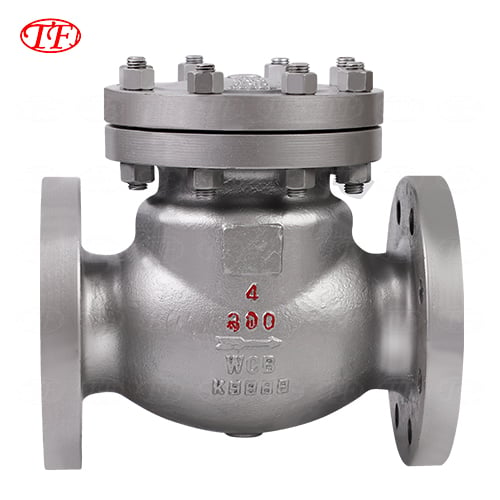
The value of a safety valve depends on more than its presence in a pipeline or vessel. Engineers need to connect the device’s set pressure, capacity, materials, discharge arrangement, and maintenance plan to the hazards it must address. A safety valve should respond predictably under specified conditions, so decisions about installation and inspection deserve the same attention as initial equipment selection.
In normal operation, a safety valve remains closed while process pressure stays within its intended range. If pressure rises to the set point, the valve opens and provides a route for fluid to leave the protected equipment. This response makes a safety valve a mechanical safeguard against certain overpressure scenarios, including control failure, blocked outlets, or unexpected heat input.
The device does not prevent the event that raises pressure; it limits the resulting hazard when correctly engineered for that event. A safety valve must discharge enough flow to keep pressure within the permitted boundary for the relevant case. Operators should therefore treat the safety valve as one part of a broader protection strategy, alongside process controls, alarms, operating procedures, and equipment design.
A relief device can only perform as intended if its inlet and outlet arrangements support reliable flow. Excessive inlet pressure loss can affect opening behavior, while a restrictive discharge line can create back pressure or expose people and equipment to released fluid. When assessing a safety valve, engineers should review connected piping, supports, drainage, discharge direction, and the destination of the release.
The installation environment also matters. Vibration, corrosive exposure, temperature variation, and contamination may affect the device or its connections over time. A safety valve should be positioned so authorized personnel can inspect it without unnecessary exposure to hazards. Clear identification and access to relevant records help maintenance teams verify that the installed safety valve still matches the protected service.
Set pressure must align with the equipment’s allowable limits and the applicable design basis. Capacity, meanwhile, depends on the credible overpressure scenario, fluid properties, operating conditions, and required discharge rate. Selecting a safety valve by connection size alone can overlook these factors. The engineering review should document why the chosen safety valve is suitable for the specific protected system.
Teams should distinguish normal operating pressure from the pressure conditions that trigger protection. An operating margin helps reduce unwanted lifting during routine fluctuations, but the permitted relationship depends on codes, service, and design requirements. A safety valve that is poorly matched to the process may open too often, fail to provide sufficient relief, or complicate stable operation. Confirm assumptions before procurement or replacement.
Wetted materials, seals, and construction need to suit the fluid and the expected temperature and pressure range. Corrosive, viscous, dirty, or polymerizing media may create additional concerns, including sticking, plugging, or accelerated wear. A safety valve specification should identify the actual service rather than rely on a generic description, and should address material compatibility with both process fluid and cleaning methods.
Consider how the device behaves during startup, shutdown, and foreseeable upset conditions, not only at steady state. The safety valve may need to handle changing phase, temperature, or flow characteristics. Where service details are uncertain, engineering teams should resolve those uncertainties before finalizing the selection. The safety valve documentation should make key limits and assumptions visible to operations and maintenance staff.
Before operation, confirm that the correct device is installed in the intended location and orientation, with appropriate supports and unobstructed connections. Compare identification and documented set pressure with the approved design information. Commissioning a safety valve also includes checking that isolation arrangements cannot inadvertently disable protection during service, and that any permitted isolation procedure is controlled and clearly documented.
A functional review should include the discharge route and the hazards created by any release. Personnel need to understand where fluid may go, what areas must remain clear, and how abnormal indications should be reported. Commissioning records provide a baseline for later inspection. Without that baseline, it can be harder to determine whether a safety valve has changed condition or been altered after installation.
Inspection intervals should reflect applicable requirements, service severity, operating history, and the consequences of failure. Maintenance may involve examination, testing, cleaning, repair, or replacement by qualified personnel using approved procedures. A safety valve that has lifted, leaked, or shown evidence of contamination warrants investigation; simply returning it to service without understanding the cause may leave the original risk unresolved.
Keep traceable records of test results, repairs, configuration changes, and the equipment each device protects. Trend information can reveal recurring lifts, fouling, or maintenance findings that point to process issues. When reviewing related flow-control equipment, teams can consult this safety valve resource as part of their equipment review, while confirming that each device type serves its specified function. Good records help keep safety valve decisions grounded in evidence.
No. A safety valve is a protective layer for defined overpressure conditions, not a replacement for sound controls, alarms, operating procedures, or sound equipment design. The safety valve should be assessed within the complete risk-management approach, and its limits should be understood by staff responsible for the process.
Selection typically requires the protected equipment limits, set pressure basis, credible relief scenarios, required capacity, fluid properties, temperature, materials, and discharge conditions. A safety valve specification should document these assumptions. Qualified engineering review helps confirm that the safety valve fits the actual service rather than just the nominal pipe size.
Follow applicable regulations, site procedures, and a risk-based inspection plan informed by service conditions and operating history. A safety valve may also need attention after lifting, leakage, contamination, or a process change. Document findings and resolve the cause of abnormal behavior before relying on the safety valve again.
Foshan Tangzheng Pipe Fittings Co., Ltd. provides premium gate, globe, ball & control valves for petrochemical, power & HVAC industries. 30+ years expertise, 18-month warranty, 24/7 technical support. Request a custom solution today.
No. 36, 38, 40, 42, 44, 46 North Sixth Road, 1st Floor, Guangdong Lecong Steel World Hardware Accessories Decoration City, Lecong Town
Copyright © Foshan Tangzheng Pipe Fittings Co., Ltd. | Privacy policy

 EN

