 ×
A pressure reducing valve can cut operating costs by matching downstream pressure to what equipment actually needs. Excess pressure can increase leakage, wear, energy use, and maintenance demand, so controlling it is a practical cost-management decision. To assess the value, connect the pressure reducing valve to measurable site conditions rather than treating installation as an automatic saving.
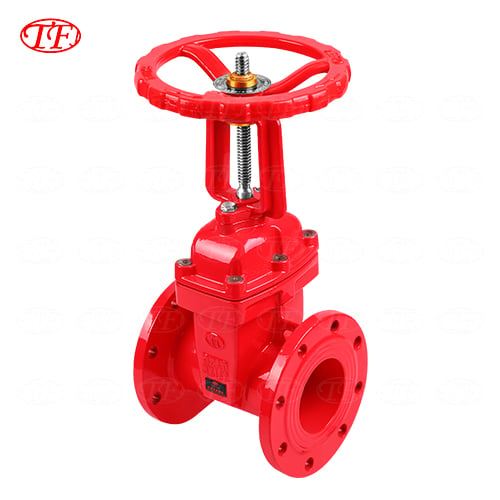
The strongest business case starts with a specific pressure problem: a high supply pressure, unstable demand, recurring leaks, or equipment operating above its design requirement. A correctly selected pressure reducing valve can keep downstream conditions more appropriate. Reviewing the pressure reducing valve as part of a system, including its operating and maintenance costs, helps buyers judge potential savings realistically.
Higher pressure can increase leakage through joints, seals, and small defects, making a pressure reducing valve a useful part of loss control. It does not repair damaged components, but it can reduce the force driving water or another compatible fluid through weak points. Before installation, document leak frequency and repair history so the pressure reducing valve has a clear baseline for evaluation.
The potential saving depends on the fluid, network condition, operating hours, and the difference between inlet and required outlet pressure. A pressure reducing valve should therefore be sized for actual demand, not simply selected to achieve the lowest possible outlet setting. If pressure falls too far during peak use, equipment performance may suffer, offsetting savings from the pressure reducing valve.
Pumps, instruments, hoses, seals, and process equipment may experience avoidable stress when supply pressure exceeds their operating needs. A pressure reducing valve can help establish a more suitable downstream condition, potentially limiting premature wear and unplanned service. The practical cost case should consider which assets are exposed and whether their specifications support pressure reduction in the proposed location.
A pressure reducing valve is not a substitute for checking component ratings or investigating pressure surges. Buyers should examine normal and transient conditions, since a stable reading during routine operation may conceal short periods of excessive pressure. When the pressure reducing valve is selected alongside appropriate protection and monitoring, its contribution to equipment-life planning becomes easier to assess.
Estimate costs before choosing a pressure reducing valve by recording water or fluid losses, repair labor, replacement parts, energy demand, and downtime where relevant. Separate observed costs from assumptions, then identify which items pressure control could reasonably influence. This approach avoids claiming that every maintenance expense will disappear after a pressure reducing valve is installed.
Include purchase, installation, commissioning, inspection, and eventual replacement in the evaluation. A pressure reducing valve may require pipe modifications, isolation provisions, or access improvements that affect initial cost. Compare these expenses with likely reductions over a realistic service period, and test the calculation under conservative operating assumptions before approving a pressure reducing valve project.
Correct capacity and control range matter because an oversized or poorly matched pressure reducing valve may respond unpredictably at low demand. Gather inlet pressure, desired outlet pressure, flow range, fluid properties, temperature, and connection details for the design review. Those inputs allow engineers to evaluate whether a pressure reducing valve can regulate the conditions the process actually requires.
Set the outlet target from downstream equipment requirements, not from a general preference for lower pressure. A pressure reducing valve set too low can restrict supply, impair production, or cause operators to compensate elsewhere in the system. Commissioning should verify readings at several demand levels, confirming that the pressure reducing valve balances operating needs with the intended cost controls.
Record upstream and downstream readings during representative operating periods after installing a pressure reducing valve. Compare these results with the original baseline, including leak reports, service calls, and relevant utility use. A pressure reducing valve delivers decision-useful evidence only when measurements reflect real conditions and are reviewed over a suitable period.
Unexpected outlet variation may indicate changing demand, blocked strainers, wear, incorrect settings, or a system issue beyond the valve itself. Inspection should follow site procedures and the equipment documentation rather than relying on adjustment by guesswork. Tracking pressure reducing valve performance also helps maintenance staff distinguish normal variation from a developing fault.
Maintenance planning should account for fluid cleanliness, operating cycles, access, and the consequences of interrupted service. A pressure reducing valve may need periodic inspection or servicing according to its design and the operating environment. Keep records of findings, settings, and repairs so the pressure reducing valve remains aligned with process requirements as demand changes.
Review savings against the original cost case after enough operating data has accumulated. If leakage or wear has not changed, investigate whether pressure was the main cause, whether the setting is appropriate, and whether other defects remain. This review makes a pressure reducing valve investment accountable and helps determine whether additional system corrections are justified.
A pressure reducing valve can limit excessive downstream pressure, which may reduce leakage and stress on compatible equipment. Actual savings depend on site conditions, repair history, and correct sizing. Measure results rather than assuming every pressure reducing valve produces the same financial benefit.
No. A pressure reducing valve may reduce the pressure driving leakage, but it does not fix failed seals, damaged pipes, or loose connections. Repair defects and use pressure reducing valve control as one part of a broader loss-prevention approach.
Provide inlet and target outlet pressures, expected flow range, fluid and temperature details, connection information, and operating conditions. Confirm downstream equipment limits as well. These details help determine whether a pressure reducing valve can meet process needs without creating avoidable restrictions.
Foshan Tangzheng Pipe Fittings Co., Ltd. provides premium gate, globe, ball & control valves for petrochemical, power & HVAC industries. 30+ years expertise, 18-month warranty, 24/7 technical support. Request a custom solution today.
No. 36, 38, 40, 42, 44, 46 North Sixth Road, 1st Floor, Guangdong Lecong Steel World Hardware Accessories Decoration City, Lecong Town
Copyright © Foshan Tangzheng Pipe Fittings Co., Ltd. | Privacy policy

 EN

