 ×
A triple eccentric butterfly valve matters when a process needs dependable isolation, controlled operation, and a sealing arrangement suited to demanding service. Its three geometric offsets change how the disc approaches the seat, so a triple eccentric butterfly valve can reduce rubbing during travel while creating a tight seal at closure. Understanding that design helps engineers decide when its added complexity is justified.
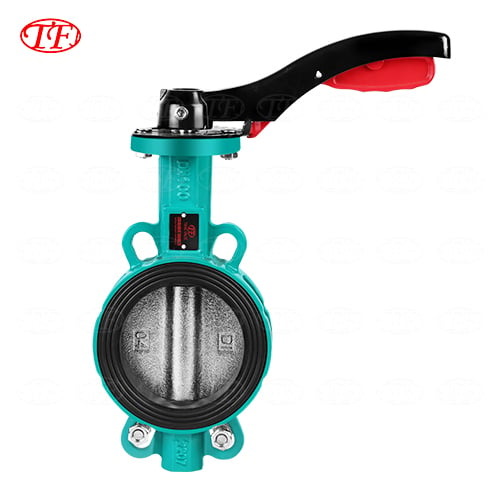
The value is not simply that the valve turns a quarter turn. A triple eccentric butterfly valve combines an offset shaft and a shaped sealing interface to manage contact at the end of travel. For operations teams, that geometry can affect seat wear, actuation requirements, maintenance planning, and the confidence placed in isolation procedures.
In a triple eccentric butterfly valve, the shaft is offset from the disc centerline and the pipe centerline, while the sealing surfaces use a further conical offset. Together, these features guide the disc away from the seat as it opens. The disc therefore avoids continuous sliding contact across much of its rotation, unlike designs that rely on persistent seat compression.
That motion is important because friction at the sealing interface can contribute to wear, operating torque, and inconsistent seating over time. A triple eccentric butterfly valve is designed so contact concentrates near the closed position, where the disc and seat engage to establish shutoff. In a correctly selected assembly, this geometry supports repeatable operation without requiring the seat to drag against the disc throughout every cycle.
At closure, the conical sealing geometry brings the mating surfaces together in a controlled manner. The triple eccentric butterfly valve relies on the relationship between the disc profile, seat design, and body alignment, rather than on a soft liner being continuously squeezed. That makes construction details and material compatibility central to the specified leakage class and service suitability.
For plants that need isolation across a broad operating envelope, this design can be valuable when process conditions challenge a basic resilient-seated arrangement. A triple eccentric butterfly valve may be considered for hot fluids, utility lines, or other duties where temperature, pressure, and cycling need careful evaluation. It is not a universal substitute: engineers still need to verify the actual limits listed for the valve and trim.
Temperature changes can affect both the valve body and its sealing components, making thermal expansion a design consideration. A triple eccentric butterfly valve with suitable materials and clearances can accommodate demanding conditions better than a design whose sealing method is unsuitable for that range. Buyers should compare the stated operating limits with normal, startup, shutdown, and upset temperatures.
Frequent cycling also makes movement and seat contact relevant to lifecycle planning. Since a triple eccentric butterfly valve lifts away from the seat during most of its travel, reduced rubbing can be an advantage in applications with regular operation. Actual service life still depends on fluid cleanliness, corrosion, actuator sizing, installation, and maintenance; geometry alone does not guarantee a particular cycle count.
A valve's importance becomes clear when isolation affects safety, production continuity, or maintenance access. A triple eccentric butterfly valve may suit a line where reliable shutoff is important and a compact quarter-turn arrangement fits the piping layout. The project team should define whether the duty is on-off, throttling, emergency isolation, or a combination, because those tasks place different demands on the valve.
For modulating service, confirm that the selected trim and actuator can provide stable control over the required range. A triple eccentric butterfly valve is often valued for isolation, but not every configuration is appropriate for continuous throttling or erosive flow. Process engineers should consider velocity, pressure drop, cavitation risk, and the consequences of intermediate positioning before assigning a control role.
A sound specification starts with the medium, pressure class, temperature range, required leakage performance, and connection style. For a triple eccentric butterfly valve, the seat and disc materials must suit the fluid's chemistry and any suspended solids. A material choice that works in clean water may not be appropriate for a corrosive, abrasive, or high-temperature process, so service data should be explicit.
The specification should also identify the required body material, face-to-face dimensions, end connections, and applicable design standards. When reviewing a triple eccentric butterfly valve, verify that the linked product's documented construction matches the intended design rather than inferring its offset arrangement from the general valve category. Clear documentation prevents a mismatch between the process requirement and the supplied configuration.
Operating torque must be assessed across the full differential-pressure range, including breakaway torque at the seat. A triple eccentric butterfly valve paired with an undersized actuator may fail to reach its required closed position, while excessive actuator sizing can create other mechanical stresses. Ask for torque data, actuator assumptions, and fail-position requirements as part of the technical review.
Installation details also affect performance. Confirm the permitted flow direction, pipe alignment, flange requirements, and clearance for the disc and actuator before installation; a triple eccentric butterfly valve cannot compensate for poor alignment or unsuitable piping loads. Maintenance plans should state how inspection, seat evaluation, and actuator checks will be completed, and which parts can be serviced under site procedures.
The shaft and sealing geometry use three offsets to limit seat contact during opening and closing. A triple eccentric butterfly valve forms its sealing engagement near the closed position, while some standard designs rely more heavily on continuous contact with a resilient seat. The exact distinction depends on the design and materials specified.
No. A triple eccentric butterfly valve is a candidate when its pressure, temperature, material, and leakage specifications fit the service. Fluid chemistry, solids, cycling, control needs, and installation conditions can rule out a particular configuration, so selection requires process-specific review rather than relying on the valve type alone.
Confirm the duty, operating envelope, required shutoff performance, body and seat materials, connection dimensions, actuator needs, and relevant standards. For a triple eccentric butterfly valve, request construction details and supporting technical documents so the specified offsets, trim, and ratings can be checked against the application and installation plan.
Foshan Tangzheng Pipe Fittings Co., Ltd. provides premium gate, globe, ball & control valves for petrochemical, power & HVAC industries. 30+ years expertise, 18-month warranty, 24/7 technical support. Request a custom solution today.
No. 36, 38, 40, 42, 44, 46 North Sixth Road, 1st Floor, Guangdong Lecong Steel World Hardware Accessories Decoration City, Lecong Town
Copyright © Foshan Tangzheng Pipe Fittings Co., Ltd. | Privacy policy

 EN

