 ×
Choosing a butterfly valve supplier in 2026 is a technical and operational decision, not simply a price comparison. The right butterfly valve supplier can help align valve design, materials, documentation, and delivery expectations with the conditions of your project. Start with the service requirements, then assess whether each butterfly valve supplier can demonstrate a clear understanding of them.
In 2026, procurement teams should weigh technical fit alongside traceability, responsiveness, and supply planning. A capable butterfly valve supplier asks about media, pressure, temperature, actuation, and installation constraints before proposing a configuration. This guide sets out a practical evaluation process, helping you compare a butterfly valve supplier on evidence and project fit rather than broad claims or an attractive quotation alone.
Write down the duty conditions before contacting a butterfly valve supplier. Include the fluid, operating and design pressure, temperature range, pipe size, connection type, flow requirements, and frequency of operation. A butterfly valve supplier can only recommend a relevant configuration when these details are clear, and a written duty profile gives your team a consistent basis for evaluating proposals.
Material selection should follow the actual service, not a generic preference. Ask each butterfly valve supplier to explain the proposed body, disc, stem, and seat materials in relation to the media and operating environment. If a butterfly valve supplier suggests an alternative, request the reason and any limits that matter, such as compatibility, corrosion exposure, or the conditions that could shorten component life.
A valve must fit the piping layout and the way operators will use it. Tell the butterfly valve supplier whether the project requires a wafer, lug, or other connection style, and whether operation will be manual or actuated. Have the butterfly valve supplier confirm dimensions, facing, operating clearances, and relevant project standards so that installation does not depend on assumptions.
For manual valves, check handle orientation, access, and expected operating effort; for automated service, clarify actuator interfaces and control requirements. A thorough butterfly valve supplier will distinguish standard features from project-specific options. Ask the butterfly valve supplier to record the agreed configuration on the quotation or data sheet, making technical review and later procurement less vulnerable to mismatched descriptions.
Quality should be assessed through records and processes that apply to the specific order. Ask the butterfly valve supplier what inspection, testing, and identification documents can accompany the valves, and confirm which are included in the offer. A reliable butterfly valve supplier explains the scope plainly, including any records that require advance agreement or create additional lead time.
Check that product descriptions, drawings, and material information refer to the same configuration. The butterfly valve supplier should identify revisions and clarify how changes are communicated after approval. Before placing an order, ask the butterfly valve supplier to confirm traceability expectations, acceptance criteria, and the documents needed for your receiving inspection, maintenance files, or regulated project records.
A delivery date is useful only when it is tied to a defined scope and a credible production plan. Ask the butterfly valve supplier to state expected lead time, order milestones, shipping assumptions, and the process for communicating delays. A responsive butterfly valve supplier also identifies which project details must be finalized before the schedule can be confirmed.
Consider how the order will be handled if quantities, specifications, or site dates change. The butterfly valve supplier should describe its approval and change-control steps, rather than relying on informal messages. Evaluate whether the butterfly valve supplier answers technical questions consistently and keeps commercial and engineering information aligned; this helps your team spot uncertainty before it becomes a site or commissioning issue.
Compare offers against the same specification and scope. A lower quotation may exclude testing documents, packaging requirements, accessories, or a connection detail that another offer includes. Ask each butterfly valve supplier to make inclusions and exclusions explicit, then compare the butterfly valve supplier proposals on equivalent technical and delivery terms rather than headline price alone.
The purchase decision should account for installation, operation, maintenance, and replacement planning. Ask a butterfly valve supplier how the proposed design supports access to routine inspection and whether spare parts can be identified by model or configuration. A butterfly valve supplier that provides clear product records can make future maintenance planning more straightforward, although your team should verify availability and service terms in writing.
Set evaluation criteria before final approval, covering specification compliance, quality evidence, delivery alignment, communication, and commercial scope. Score each butterfly valve supplier against those same criteria and record unresolved items. This makes the selection defensible and helps stakeholders see why one butterfly valve supplier suits the project better, even when proposals differ in format or detail.
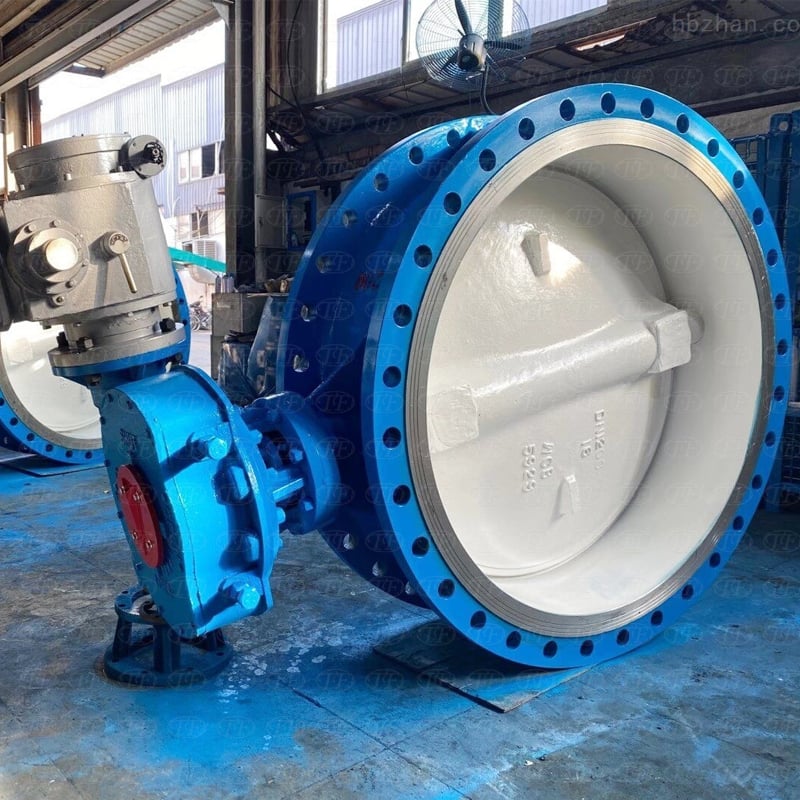
For example, a water infrastructure project may prioritize documented material compatibility and a suitable pipe connection, while a process line may place greater emphasis on media conditions and operating frequency. In either case, the butterfly valve supplier should respond to the actual duty. Consider a product configuration such as a butterfly valve supplier offering only after verifying the model details against the project specification.
Finally, retain approved drawings, specifications, correspondence, and order records in one accessible file. Share the evaluation outcome with engineering, procurement, and operations so that each group understands the selected configuration. A well-qualified butterfly valve supplier relationship depends on clear responsibilities, documented decisions, and prompt clarification when project conditions change—not on assumptions made during initial sourcing.
Provide fluid and operating conditions, size, connection type, pressure and temperature limits, operation method, applicable standards, quantity, and delivery needs. A butterfly valve supplier can prepare a more relevant proposal when the duty and required documentation are explicit.
Normalize the technical scope, included documents, testing, accessories, delivery terms, and exclusions before comparing prices. Ask each butterfly valve supplier to resolve gaps in writing so your decision reflects equivalent offers.
Begin during specification development, before the schedule is fixed. Early discussion gives a butterfly valve supplier time to flag missing information, clarify configuration choices, and confirm what evidence or lead-time assumptions your project should consider.
Foshan Tangzheng Pipe Fittings Co., Ltd. provides premium gate, globe, ball & control valves for petrochemical, power & HVAC industries. 30+ years expertise, 18-month warranty, 24/7 technical support. Request a custom solution today.
No. 36, 38, 40, 42, 44, 46 North Sixth Road, 1st Floor, Guangdong Lecong Steel World Hardware Accessories Decoration City, Lecong Town
Copyright © Foshan Tangzheng Pipe Fittings Co., Ltd. | Privacy policy

 EN

