 ×
A resilient seated gate valve is designed to shut off flow by pressing a resilient sealing surface against the valve body. In a comparative analysis, the key question is not simply whether the valve closes, but how its sealing arrangement, operation, and maintenance fit a particular pipeline. A resilient seated gate valve is often considered for water service where dependable isolation and a straightforward operating sequence matter.
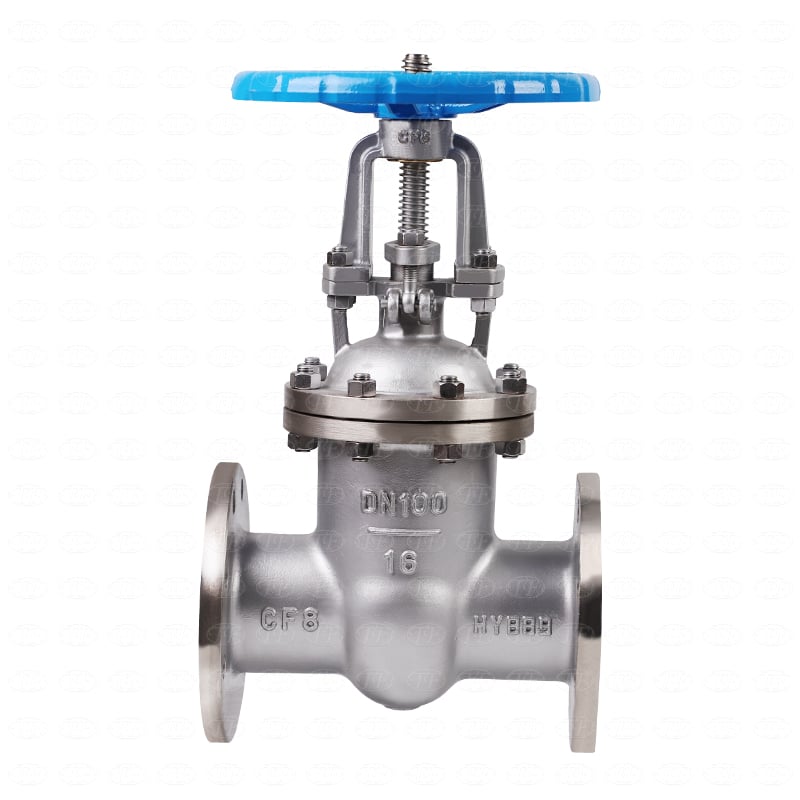
This comparison focuses on the design choices that distinguish this valve from other isolation approaches, along with practical implications for plant teams. A resilient seated gate valve should be assessed against pressure, fluid condition, operating frequency, installation space, and service access. Understanding those factors helps buyers identify where the design fits and where another valve arrangement may be more suitable.
A resilient seated gate valve uses a movable gate that travels across the flow path. As the gate reaches the closed position, its resilient facing contacts the body seating surfaces and forms the shutoff interface. This arrangement differs from designs that rely primarily on metal-to-metal contact, so the sealing material and its fit are central to selection.
In a resilient seated gate valve, the gate generally moves clear of the passage when open, leaving a relatively direct flow route. The design is intended for isolation rather than continuous throttling; keeping the valve partly open can expose the seating surface to unnecessary flow forces or wear. Buyers should confirm that the chosen configuration matches the line’s actual operating duty.
A resilient seated gate valve also depends on accurate alignment between the gate and body during closure. Debris, unsuitable fluid conditions, or damage to the resilient surface can affect contact and shutoff. For that reason, compare the expected fluid cleanliness and service environment with the valve’s specified materials, rather than assuming every soft-seal design suits every water or process line.
Compared with a metal-seated gate design, a resilient seated gate valve uses a compliant surface to establish contact. That difference can be useful where tight isolation is required under the specified service conditions, but it also makes material compatibility important. The elastomer or other specified facing must be appropriate for temperature, fluid chemistry, and operating pressure.
Compared with a quarter-turn isolation valve, a resilient seated gate valve uses linear gate travel and typically needs more operating turns. In return, the open gate can provide a clear passage through the body. The physical envelope, actuator or handwheel access, and available operating time therefore belong in the comparison, not just the nominal pipe size.
A resilient seated gate valve is not automatically superior because it has a resilient seat. Each design manages shutoff, flow, and wear differently, and project specifications may set limits for materials or leakage performance. Review the applicable product data and testing requirements to establish a fair comparison for the intended duty.
A resilient seated gate valve is generally selected for on-off isolation, so the expected number of operating cycles is an important comparison point. A valve opened and closed occasionally for maintenance has a different duty from one operated frequently as part of a process sequence. Confirm the operating method and cycle expectations before finalizing the specification.
Because a resilient seated gate valve moves through a rising or non-rising stem arrangement depending on its configuration, installation planning should include stem clearance and a usable operating position. A rising-stem version makes movement visible, while the external space it needs may be a constraint in a crowded chamber. Check the actual construction drawing rather than relying on a generic description.
For a resilient seated gate valve, the pressure and flow conditions during operation should align with the manufacturer’s stated limits. Avoid treating an isolation valve as a control device unless its documentation specifically permits that service. A mismatch between intended function and actual duty can accelerate wear and complicate isolation reliability.
Maintenance planning for a resilient seated gate valve starts with accessible operating components and a clear isolation procedure. Operators should be able to identify the valve position, exercise it according to site practice, and recognize abnormal resistance or leakage. A record of operating condition can help maintenance teams investigate changes before a planned shutdown.
The resilient sealing element is a key inspection consideration for a resilient seated gate valve. Its service life depends on the fluid, temperature, pressure, cycle frequency, and installation conditions, so a universal replacement interval cannot be assumed. Use the supplier’s service guidance and site history to establish inspection timing suited to the application.
A resilient seated gate valve may be straightforward to operate while still requiring careful installation and commissioning. Confirm flow direction requirements if specified, flange alignment, bolt loading, stem access, and cleanliness of the line. These checks reduce avoidable mechanical stress and help the seating surfaces function as designed after the system enters service.
When comparing a resilient seated gate valve for a water network, consider the pressure class, temperature range, fluid quality, and applicable project standards. Municipal distribution, building services, and industrial utility lines can have different operating and documentation needs. The relevant choice is the configuration that satisfies the actual specification, not simply one that shares the same general valve type.
A resilient seated gate valve should also be checked against the pipeline’s connection and installation requirements. Confirm end dimensions, face-to-face length, material designations, coating requirements, and whether a rising stem is needed. An apparently suitable valve can create installation or access issues if those details are left until procurement or site work.
For projects with solids or variable water quality, assess how the resilient seated gate valve will be protected and maintained. Consider upstream filtration where appropriate, flushing or cleaning procedures, and the consequences of debris reaching the sealing area. The goal is to evaluate real system conditions, not to assume the valve can tolerate every contaminant.
A useful comparison of a resilient seated gate valve includes the intended function, design pressure, temperature, materials, connection details, operating arrangement, and required inspection documentation. Put these factors into the technical review so that alternatives are judged on equivalent requirements. This approach is more dependable than comparing names or broad descriptions alone.
Where a project calls for a flanged rising-stem soft-seal configuration, review the product details against the line data and installation layout. A resilient seated gate valve can then be evaluated in context, including stem clearance, flange compatibility, and specified service limits. Confirm all critical dimensions and materials before approval.
Ultimately, a resilient seated gate valve is a strong candidate when the system needs isolation, the resilient sealing materials suit the medium, and the operating arrangement fits the site. It may be less suitable when frequent throttling, unusually demanding process conditions, or restricted stem access dominate the requirement. Documenting these trade-offs gives engineering and procurement teams a clear basis for a defensible selection.
Its defining feature is a resilient sealing interface between gate and body. A resilient seated gate valve can provide effective isolation when its materials, pressure limits, and service conditions match the application. Confirm the specified performance for the selected model rather than assuming all configurations behave identically.
It is primarily intended for on-off service, not routine flow regulation. Operating a resilient seated gate valve partially open may increase wear or expose the seat to forces outside its intended duty. Check product documentation and engineering requirements if the application involves modulation.
Verify pressure and temperature ratings, fluid compatibility, dimensions, connection type, stem arrangement, materials, and required standards. For a resilient seated gate valve, also confirm access for operation and maintenance. Reviewing those details against the pipeline data helps prevent specification gaps and installation surprises.
Foshan Tangzheng Pipe Fittings Co., Ltd. provides premium gate, globe, ball & control valves for petrochemical, power & HVAC industries. 30+ years expertise, 18-month warranty, 24/7 technical support. Request a custom solution today.
No. 36, 38, 40, 42, 44, 46 North Sixth Road, 1st Floor, Guangdong Lecong Steel World Hardware Accessories Decoration City, Lecong Town
Copyright © Foshan Tangzheng Pipe Fittings Co., Ltd. | Privacy policy

 EN

