 ×
×
Corrosive environments pose significant operational challenges for industrial facilities, from chemical plants to offshore platforms. The choice of fluid control equipment directly impacts system reliability, maintenance costs, and safety performance. A stainless steel valve stands out as the preferred solution because it combines superior corrosion resistance with long-term durability in aggressive chemical and marine conditions. Understanding why a stainless steel valve outperforms alternative materials helps engineers and procurement teams make informed decisions that protect their operational investments and extend equipment lifespan.
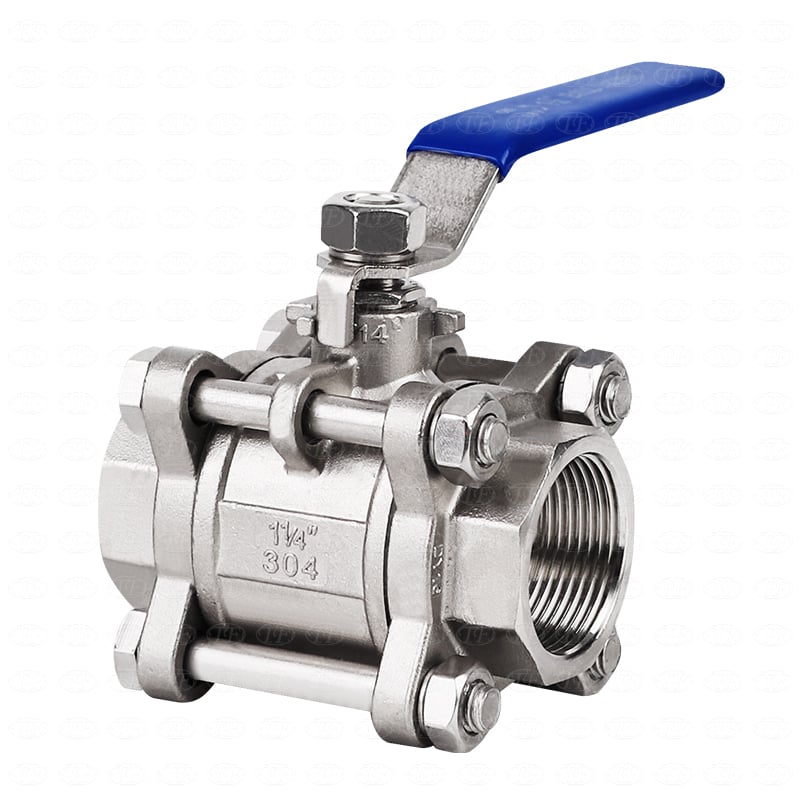
When selecting equipment for harsh industrial environments, material science becomes the foundation of operational success. A stainless steel valve delivers measurable advantages over carbon steel, cast iron, and plastic alternatives because the chromium-nickel composition creates a passive protective layer that resists oxidation, pitting, and stress corrosion cracking. This passive film regenerates automatically when scratched or damaged, making a stainless steel valve inherently self-healing in many corrosive scenarios. Engineers in chemical processing, pharmaceutical manufacturing, and marine applications consistently specify a stainless steel valve because it eliminates premature failures that disrupt production schedules and compromise safety protocols.
The structural advantage of a stainless steel valve stems from its alloy composition, which typically includes chromium, nickel, and molybdenum elements. When chromium exposure meets atmospheric oxygen, a thin chromium oxide layer forms on the surface, creating a barrier that shields the underlying metal from corrosive attack. This passive film is remarkably resilient; even when a stainless steel valve endures mechanical stress, thermal cycling, or chemical exposure, the chromium oxide layer reforms spontaneously. Unlike carbon steel, which requires external coatings or paints for protection, a stainless steel valve provides intrinsic corrosion resistance that never wears away or needs reapplication throughout its operational life.
Different grades of stainless steel offer varying levels of protection suited to specific corrosive environments. A 304-grade stainless steel valve performs well in general industrial applications and mild chemical exposure, while 316-grade variants, enriched with molybdenum, excel in chloride-rich marine and coastal settings where a stainless steel valve must withstand salt spray, seawater intrusion, and acidic chloride compounds. Duplex stainless steel grades, offering even higher nickel and chromium content, deliver exceptional performance in extreme environments where a stainless steel valve operates under combined corrosive stress and elevated temperature conditions.
Pitting corrosion represents one of the most destructive failure modes in corrosive environments, creating microscopic holes that penetrate through component walls without visible external degradation. A stainless steel valve resists pitting through its chromium-based passive film, which localizes damage and prevents deep perforation. The molybdenum content in higher-grade stainless steel variants further enhances pitting resistance by stabilizing the passive film in chloride-rich and sulfide-containing environments where a stainless steel valve must maintain integrity under sustained chemical attack.
Stress corrosion cracking occurs when corrosive environments combine with mechanical stress, creating sudden, catastrophic failure without warning. A stainless steel valve exhibits superior resistance to this failure mechanism compared to carbon steel because the passive oxide layer prevents corrosive ions from initiating microcracks under tensile load. In chemical processing plants where a stainless steel valve handles chlorinated solutions, caustic compounds, or sulfuric acid at elevated temperatures, this resistance becomes mission-critical. Operators rely on a stainless steel valve to withstand months or years of exposure without the delayed cracking failures that often compromise carbon steel alternatives.
Chemical manufacturing facilities depend on reliable fluid control throughout reaction vessels, transfer lines, and filtration systems where aggressive solvents, caustics, and acids flow continuously. A stainless steel valve handles hydrochloric acid, sulfuric acid, chlorine gas dissolution, and alkaline solutions without the material degradation that would occur in carbon steel equipment. Pharmaceutical manufacturers specify a stainless steel valve throughout their production lines because contamination from corrosion byproducts cannot be tolerated; the inert surface of a stainless steel valve prevents rust particles and oxidation debris from contaminating sensitive formulations or sterile processes.
The cleaning protocols used in pharmaceutical and biotechnology industries further demonstrate why a stainless steel valve excels over alternatives. Clean-in-place (CIP) systems employ hot water, steam, and caustic solutions to sterilize equipment between production batches. A stainless steel valve withstands repeated exposure to these harsh cleaning conditions without degradation, whereas carbon steel equipment would experience accelerated corrosion under the combined thermal and chemical stress. This durability reduces equipment replacement cycles and maintains system cleanliness standards essential for regulatory compliance and product quality assurance.
Offshore oil and gas platforms, naval vessels, and desalination facilities operate in seawater environments where chloride concentration reaches levels that rapidly corrode conventional metals. A stainless steel valve, particularly 316-grade formulations, resists chloride pitting that would penetrate carbon steel within weeks or months. The combination of salt spray, UV exposure, and continuous moisture that characterizes marine settings creates conditions where a stainless steel valve remains structurally sound while unprotected carbon steel develops visible rust within days.
Subsea applications demand exceptional reliability because maintenance and replacement operations involve mobilizing specialized vessels and diving teams at enormous cost and operational risk. Specifying a stainless steel valve for critical subsea isolation and control functions eliminates the risk of catastrophic failures that could disable production systems or create environmental hazards. The long-term integrity of a stainless steel valve under extreme seawater conditions, combined with minimal maintenance requirements, justifies the higher initial material cost through eliminated emergency repairs and reduced operational downtime.
When evaluating equipment investment, lifecycle cost analysis reveals substantial advantages of specifying a stainless steel valve over cheaper carbon steel alternatives. Although a stainless steel valve carries higher upfront material costs, its extended service life typically spans 15 to 25 years or longer in corrosive environments, compared to 3 to 7 years for unprotected carbon steel. This extended durability means fewer equipment replacement cycles, reduced inventory of spare parts, and lower labor costs associated with maintenance interventions. A stainless steel valve eliminates the recurring expense of painting, coating reapplication, and surface preparation that plague carbon steel systems exposed to humid or chemically aggressive conditions.
Unplanned equipment failures in corrosive environments disrupt production schedules, trigger emergency procurement orders at premium prices, and force technicians to undertake urgent repairs that consume skilled labor resources. A stainless steel valve minimizes these costly disruptions through inherent reliability and predictable degradation patterns. When eventual replacement does occur, a stainless steel valve can often be salvaged and recycled because stainless steel scrap commands market value, offsetting a portion of the replacement investment and supporting sustainability objectives.
Carbon steel equipment releases iron oxide particles, rust dust, and corrosion byproducts into flowing process fluids, contaminating products and fouling downstream equipment. A stainless steel valve generates virtually no corrosion byproducts because the passive oxide film remains stable and intact even under extended exposure. This absence of contamination proves particularly valuable in food processing, pharmaceutical production, and semiconductor manufacturing where product purity directly affects quality and regulatory compliance. Process liquids flowing through a stainless steel valve remain uncontaminated by metal oxides or corrosion debris, reducing filtration requirements and extending the service life of downstream instrumentation and processing equipment.
Maintenance teams working with a stainless steel valve encounter minimal surface buildup, scaling, or residue generation during routine inspections and service intervals. This cleanliness advantage reduces cleaning labor, eliminates hazardous waste from corrosion byproduct disposal, and simplifies equipment decommissioning procedures when systems eventually retire. The economic value of a stainless steel valve extends beyond the component itself to encompass the entire system ecosystem, where reduced contamination improves overall operational efficiency and reduces total cost of ownership across the facility.
A stainless steel valve maintains its corrosion resistance because the chromium oxide passive film self-heals automatically when exposed to oxygen. Even when mechanical damage or chemical attack temporarily disrupts this protective layer, fresh chromium atoms at the surface immediately oxidize and reform the barrier. This regenerative property means a stainless steel valve does not degrade with age like painted or coated alternatives; instead, it preserves its protective characteristics indefinitely as long as adequate chromium remains in the alloy composition.
For seawater and high-chloride environments, 316-grade stainless steel valve formulations offer superior pitting and crevice corrosion resistance compared to 304-grade variants. The molybdenum addition in 316-grade materials enhances chloride ion resistance, making a stainless steel valve in this specification the industry standard for offshore, marine, and coastal applications. Super-duplex or 6Mo grades of stainless steel valve provide even higher protection for extreme subsea conditions where a stainless steel valve must resist the combined effects of high salinity, elevated pressure, and sulfide contamination.
Yes, a stainless steel valve typically eliminates the need for external protective coatings in most corrosive industrial environments because its inherent passive oxide film provides durable, self-renewing protection. However, in specific ultra-aggressive scenarios involving concentrated aqua regia, certain halogenated compounds, or extreme high-temperature conditions, supplementary protection may occasionally be specified. Nevertheless, a stainless steel valve dramatically reduces coating maintenance compared to carbon steel equipment and eliminates the recurring expense and labor associated with periodic repainting or epoxy recoating programs.
Foshan Tangzheng Pipe Fittings Co., Ltd. provides premium gate, globe, ball & control valves for petrochemical, power & HVAC industries. 30+ years expertise, 18-month warranty, 24/7 technical support. Request a custom solution today.
No. 36, 38, 40, 42, 44, 46 North Sixth Road, 1st Floor, Guangdong Lecong Steel World Hardware Accessories Decoration City, Lecong Town
Copyright © Foshan Tangzheng Pipe Fittings Co., Ltd. | Privacy policy

 EN
EN

