 ×
×
يوفّر حديد الزهر الرمادي استقراراً هيكلياً استثنائياً للصمامات الكروية، مما يقلّل الإجهاد الناتج عن الاهتزاز بنسبة ٩٧٪ مقارنةً بالحديد الليِّن أثناء التغيرات الهيدروليكية المفاجئة (مجلة معالجة السوائل، ٢٠٢٤). وتمنحه بنية رقائق الجرافيت المجهرية قدرة فائقة على امتصاص الاهتزازات — حيث تمتص طاقة حركية تزيد على سبعة أضعاف ما تمتصه سبيكة الفولاذ الكربوني حسب مواصفة ASTM A216 تحت ظروف التمدد والانكماش الحراري. وهذه الخاصية الجوهرية تخفّف من تركّز الإجهادات في هيكل الصمام أثناء التغيرات المفاجئة في الضغط، لا سيما في أنظمة نقل الملاط. وبموصلية حرارية تبلغ ٥٣ واط/متر·كلفن — أي أكثر من ٢٥٪ مقارنةً بسبيكات البرونز — فإنه يبدّد الحرارة بكفاءة عالية، ما يحافظ على الإجهادات التشغيلية ضمن مستويات تقلّ بكثير عن عتبات التشوه. وتُعتبر هذه الخصائص المتضافرة حديداً زهرياً رمادياً مادّةً فريدةً التناسب لأنظمة تتطلّب تحمّلاً عالياً للأحمال الدورية.
في أنظمة المياه ذات الضغط المنخفض (<100 رطل/بوصة مربعة أو 0.69 ميجا باسكال)، تحقِّق صمامات الكرة المصنوعة من الحديد الزهر فترات خدمة متوسطة تتراوح بين 12 و15 سنة — أي أطول بنسبة 46% من نظيراتها المصنوعة من البرونز وفق المواصفة القياسية ASTM B62، وتتنافس مع الفولاذ المقاوم للصدأ من النوع 316L من حيث العمر الافتراضي، مع انخفاض تكلفة الاستثمار الأولي بنسبة 60%، وفق دراسات حالة غير سرية أجرتها شركات توزيع المياه. ويتسّع هذا الفارق في خدمات البخار عند درجات حرارة متوسطة (150–250° فهرنهايت أو 65–121° مئوية)، حيث تُبطئ الاستقرار الحراري للحديد الزهر من تدهور حشوات الغلق (Gland Packing). كما تؤكّد نتائج اختبارات التآكل أن معدل تآكل الحديد الزهر يساوي نصف معدل تآكل النحاس الأصفر في السوائل الحاملة للجسيمات — ما يعزّز قيمته على امتداد دورة الحياة بالنسبة لمرافق المياه التي تُركّز على التكلفة الإجمالية لملكية النظام.
تبدأ السلامة الميكانيكية مع بناء الهيكل. فالهياكل المصبوبة وحدةً واحدةً تلغي طبقات اللحام والوصلات المزودة بالحشوات، مما يقلل مسارات التسرب ويعزز احتواء الضغط في التطبيقات الخاضعة لإجهادات عالية أو دورات حرارية. ويُفضَّل هذا التصميم الكتلي حيث يجب تقليل إمكانية الوصول للصيانة إلى أدنى حدٍّ ممكن. أما النسخ ذات القطعتين فتبسِّط التشغيل الآلي الداخلي واستبدال المقعد، لكنها تُدخل وصلة مثبتة بالمسامير أو المسمارية تتطلب تحكُّمًا دقيقًا في عزم الشد للحفاظ على الإحكام على المدى الطويل. وبغض النظر عن التكوين، يجب أن تتوافق سماكة الجدران ومواقع الأضلاع مع معايير ASME B16.34 الخاصة بالأجهزة المقاومة للضغط لمنع تركيزات الإجهاد المحلية التي قد تُسرِّع من التعب في الحديد الزهر.
تؤثر الهندسة الداخلية مباشرةً على دقة التحكم في التدفق، وتوزيع التآكل، وطول العمر الافتراضي. فزاوية المقعد الأكبر انحدارًا—عادةً ٤٥° أو ٦٠°—تقلل من حركة القرص لكل دورة، ما يمكّن من التحكم الدقيق في التدفق، لكنها تزيد من سرعة السائل عبر المقعد. أما الزوايا الأقل انحدارًا (مثل ٣٠°) فتخفض خطر التآكل على حساب دقة التحكم في التدفق. وتضمن الأضلاع التوجيهية المدمجة أو تصاميم الأقراص المُوجهة بواسطة الجذع الحفاظ على المركزية أثناء الحركة الخطية، مما يمنع التحميل الجانبي الذي قد يؤدي إلى تلف أسطح المقاعد. ويقلل مسار التدفق الانسيابي على شكل حرف S من الاضطراب وفقدان الضغط، محافظًا بذلك على كفاءة استهلاك الطاقة. ويعتمد المصنعون الرئيسيون على ديناميكا الموائع الحاسوبية لتحسين هذه المعايير لتحقيق توازن بين دقة التحكم في التدفق، ومقاومة التآكل، والحفاظ المستمر على إحكام المقعد—وهي ثلاثة عوامل مترابطة جوهريًّا لأداء طويل الأمد.
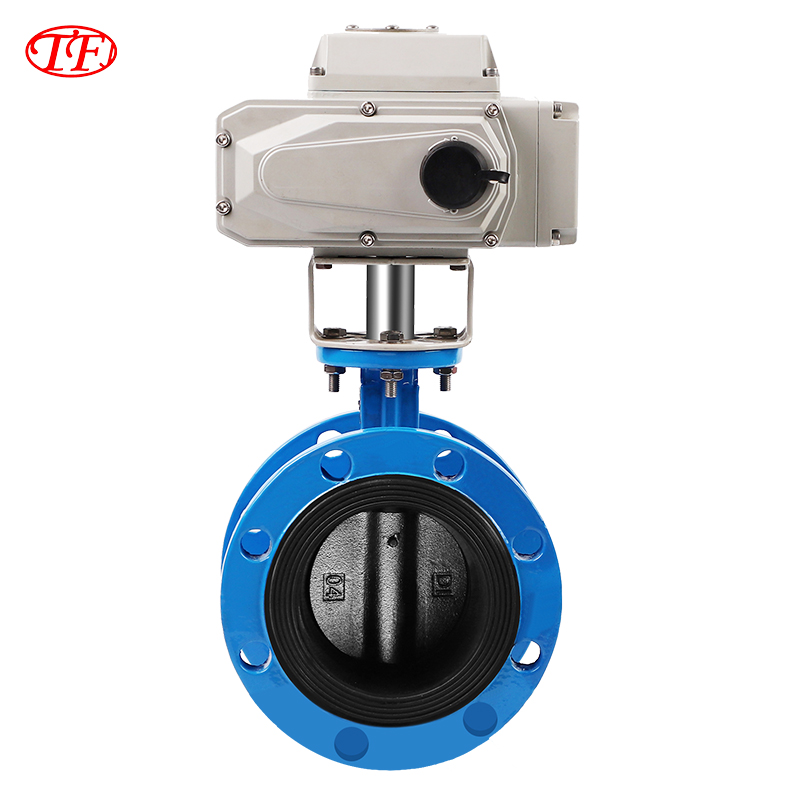
تعمل صمامات الكرة المصنوعة من حديد الصب الرمادي بشكل موثوق حتى درجة حرارة 400 °فهرنهايت (204 °مئوية) وضغط 250 رطل/بوصة مربعة لبخار مشبع، رغم أن مقاومتها الشدّية المعتدلة تحدّ من استخدامها في أنظمة الضغط المنخفض من الفئة 125 أو 150. كما أن توافق السائل مع المادة يُعدّ عاملًا حاسمًا بنفس القدر: حيث يؤدي حديد الصب أداءً جيدًا مع الوسائط المحايدة — مثل الماء النقي، والبخار، والزيوت غير المهيِّجة — لكنه يتآكل بسرعة في البيئات الحمضية أو القلوية القوية. ولتفادي التآكل المتسارع، ينبغي للمشغلين الحفاظ على درجة حموضة السائل (pH) بين 6 و9، والحدّ من تركيز أيونات الكلوريد. ويضمن الالتزام بالنطاق التشغيلي المحدَّد من قِبل الشركة المصنِّعة عمر خدمةٍ آمنٍ ومتوقعٍ.
تتعرض صمامات الكرة المصنوعة من الحديد الزهر لآليتين رئيسيتين للتآكل: التآكل الغرافيتي في أنظمة المياه والتقرن الناتج عن الأكسدة في أنظمة البخار. حيث يذيب التآكل الغرافيتي الحديد بشكل انتقائي مع الاحتفاظ بشبكة الجرافيت، مما يترك بنية هشة مسامية تبدو سليمة ظاهريًا لكنها تفتقر إلى القوة الميكانيكية. بالنسبة لخطوط المياه والكيماويات الخفيفة، توفر الطلاءات الداخلية القائمة على الإيبوكسي أو الأنودات التضحية حماية فعالة. وفي أنظمة البخار، يقلل الحفاظ على درجة حموضة المكثف فوق 8.5 وإضافة مزيلات الأكسجين بشكل ملحوظ من تكوين الترسبات. وتُستخدم قياسات السُمك بالموجات فوق الصوتية والفحوصات البصرية لاكتشاف التدهور في مراحله المبكرة. وعند دمج هذه الاستراتيجيات مع الالتزام الصارم بنطاقات التشغيل الآمنة، فإنها تمدد عادةً العمر الافتراضي لعدة سنوات.
تشير ثلاثة مؤشرات رئيسية إلى ظهور مشكلات: تسرب المقعد أو الجذع يدل على التآكل أو سوء المحاذاة؛ وازدياد عزم دوران الجذع تدريجيًّا يوحي بإحكام حشوة الجذع بشكل مفرط أو بتراكم الرواسب؛ والتعديل المتكرر لصامولة الحشوة يشير إلى تصلُّب مادة الغدة أو فقدان الضغط. ويتيح رصد هذه الاتجاهات التدخل الاستباقي—الحفاظ على سلامة الصمام وتجنب التوقف غير المخطط عنه.
وفقًا لمعيار ANSI/ISA-75.01، يجب فحص صمامات الكرة في التطبيقات النظيفة غير المسببة للتآكل كل 12–24 شهرًا. أما في تطبيقات البخار أو المواد الكيميائية الخفيفة، فيزداد تكرار الفحص ليصبح كل ستة أشهر. ويجب أن يشمل كل زيارة التحقق من إحكام المقعد، وحالة سطح الجذع، وسلامة الحشوة. أما إعادة التأهيل المجدولة—مثل تلميع المقاعد واستبدال الحشوة—فتعيد الأداء إلى ما يقارب حالته الأصلية عند تنفيذها وفق الدورة المحددة. ويُحوِّل هذا النهج المنضبط الصيانة من إصلاحٍ علاجيٍّ إلى ممارسةٍ قابلةٍ للتنبؤ بها وتمدُّ في عمر المعدات.
توفِّر صمامات الكرة المصنوعة من الحديد الزهر استقرارًا هيكليًّا ممتازًا، وخصائص امتصاص اهتزازية ممتازة، وفعالية تكلفة عالية. كما أن عمرها التشغيلي أطول مقارنةً بالمواد الأخرى، لا سيما في التطبيقات ذات الضغط المنخفض.
في أنظمة الضغط المنخفض، تدوم صمامات الكرة المصنوعة من حديد الصب بنسبة 46% أطول من نظيراتها المصنوعة من البرونز، وهي تنافس صمامات الفولاذ المقاوم للصدأ من حيث الأداء وبتكلفة أقل بكثير.
تُعد عمليات التفتيش الدورية، والالتزام بفترات التفتيش وفق معيار ANSI/ISA-75.01، والصيانة الاستباقية مثل تلميع المقعد واستبدال الحشوات أمورًا بالغة الأهمية لتمديد عمر الخدمة الخاص بالصمام.
تقدم شركة فوشان تانغتشنغ لتجهيزات الأنابيب المحدودة صمامات بوابية وكروية وتنظيمية وصمامات تحكم عالية الجودة لقطاعات البتروكيماويات والطاقة وتكييف الهواء والتبريد (HVAC). ولديها خبرة تزيد على ٣٠ عامًا، وضمان لمدة ١٨ شهرًا، ودعم فني متاح على مدار ٢٤ ساعة طوال أيام الأسبوع. اطلب اليوم حلًّا مخصصًا.
الرقم 36، 38، 40، 42، 44، 46 طريق نورث سكست، الطابق الأول، مدينة قوانغدونغ ليكونغ للحديد والعالم الإكسسوارات المعدنية والديكور، بلدة ليكونغ
حقوق الطبع والنشر © شركة فوشان تانغتشينغ لمعدات الأنابيب المحدودة | سياسة الخصوصية

 EN
EN

